
In today’s hyper-connected world, a brand’s identity is no longer confined to logos, taglines, or advertising campaigns. It exists across websites, social media platforms, search engines, customer reviews, and digital conversations. While this digital expansion offers immense opportunities, it also brings new risks.
From misinformation and impersonation to negative reviews and data breaches, brands face constant threats that can damage their reputation and trust. This is why protecting your brand identity in the digital age has become a critical priority for businesses of all sizes.
A strong brand identity is one of the most valuable assets a company possesses. It shapes perception, builds trust, and influences purchasing decisions. Without proper protection, even the most well-established brands can lose credibility and market value.
This blog explores how to protect your brand identity in the digital age, why it matters, and the strategies businesses must adopt to safeguard their reputation in an increasingly digital environment.
What is Brand Identity in the Digital Age
Before understanding how to protect it, it is important to define brand identity.
Brand identity includes:
- Brand name and logo
- Visual elements (colours, typography, design)
- Brand voice and messaging
- Values and positioning
- Customer perception and experience
In the digital age, brand identity extends beyond controlled channels. It is influenced by:
- Social media conversations
- Online reviews and ratings
- Influencer opinions
- User-generated content
- Search engine results
This makes protecting your brand identity in the digital age more complex and essential than ever.
Why Protecting Your Brand Identity in the Digital Age is Important

The digital landscape amplifies both positive and negative brand perceptions.
1. Trust is Fragile
Consumers rely heavily on online information. A single negative incident can spread rapidly and impact trust.
2. Competition is Intense
With multiple brands competing for attention, maintaining a consistent and strong identity is crucial.
3. Digital Threats are Increasing
Fake accounts, phishing attacks, and brand impersonation are common risks.
4. Reputation Impacts Revenue
Brand perception directly affects customer decisions, loyalty, and long-term growth.
This is why protecting your brand identity in the digital age is not optional—it is essential for business sustainability.
Key Threats to Brand Identity in the Digital Age
Understanding potential risks is the first step in protection.
1. Brand Impersonation
Fake accounts and websites can mislead customers and damage credibility.
2. Negative Online Reviews
Unmanaged reviews can shape public perception.
3. Misinformation and Fake News
False information can spread quickly, especially on social media.
4. Data Breaches
Security issues can erode trust and harm brand reputation.
5. Inconsistent Brand Communication
Lack of consistency across channels weakens brand identity.
Strategies for Protecting Your Brand Identity in the Digital Age
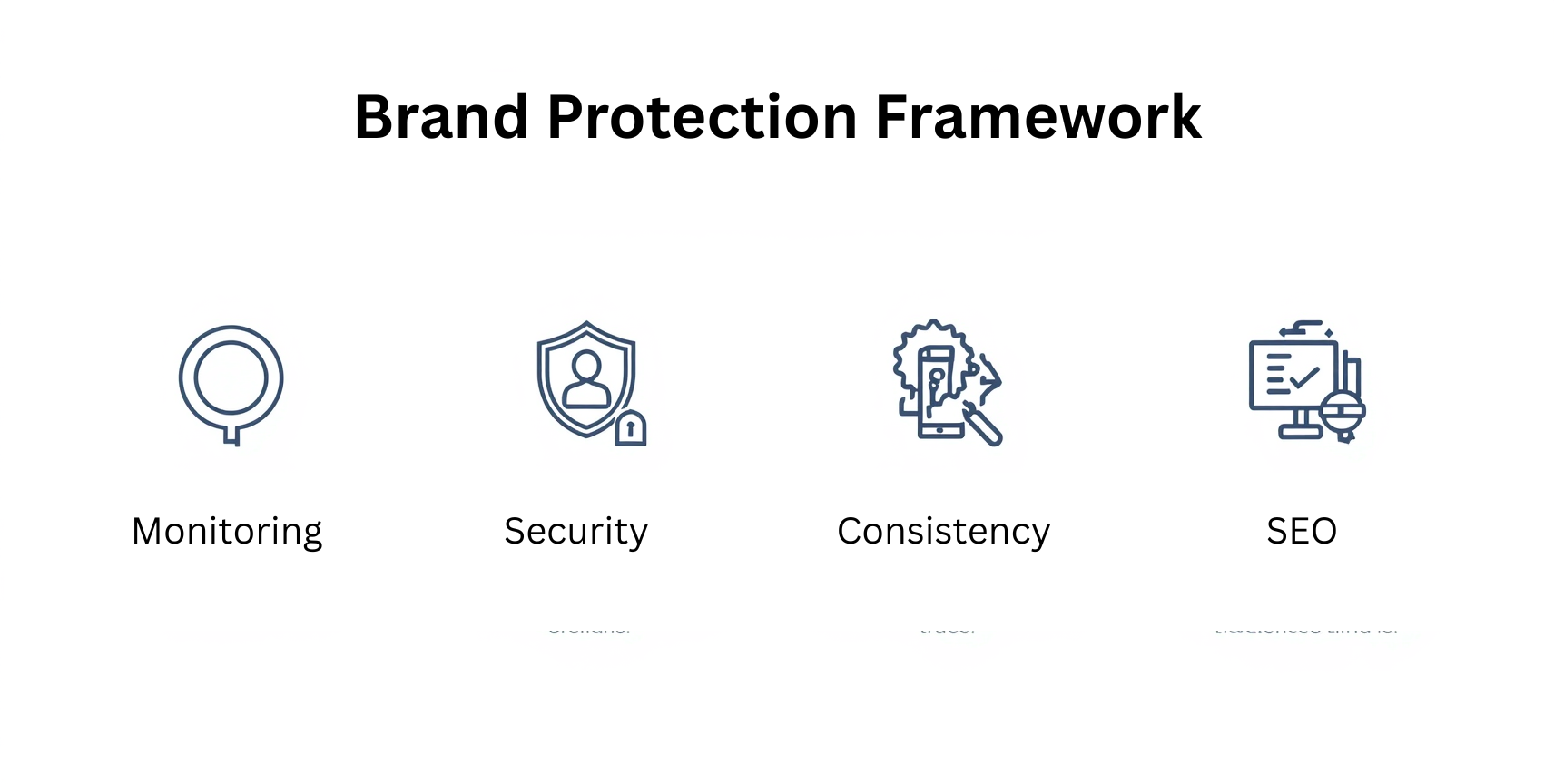
To effectively protect your brand, businesses must adopt a proactive and strategic approach.
1. Maintain Consistent Brand Messaging
Consistency is the foundation of a strong brand identity.
Brands should ensure:
- Uniform tone and voice across platforms
- Consistent visual identity
- Clear and aligned messaging
Consistency builds recognition and trust, making it easier to protect brand identity.
2. Monitor Your Online Presence
Active monitoring is essential for protecting your brand identity in the digital age.
Use tools to track:
- Brand mentions
- Social media conversations
- Customer reviews
- News coverage
Early detection allows brands to respond quickly to potential threats.
3. Strengthen Digital Security Measures
Cybersecurity plays a key role in brand protection.
Businesses should:
- Secure websites with SSL certificates
- Use strong authentication systems
- Protect customer data
- Regularly update security protocols
Strong security prevents data breaches and builds customer confidence.
4. Manage Online Reviews and Feedback
Customer reviews significantly influence brand perception.
Brands should:
- Respond to reviews promptly
- Address negative feedback professionally
- Encourage positive reviews
Transparent communication helps maintain trust.
5. Protect Intellectual Property
Registering trademarks and copyrights ensures legal protection.
Businesses should:
- Trademark logos and brand names
- Protect digital assets
- Monitor unauthorized usage
Legal protection strengthens brand security.
6. Build a Strong PR and Communication Strategy
Public relations plays a crucial role in protecting your brand identity in the digital age.
PR strategies should include:
- Crisis communication plans
- Media engagement
- Thought leadership initiatives
Strong communication helps control narratives and maintain reputation.
7. Leverage Social Media Responsibly
Social media is both an opportunity and a risk.
Brands should:
- Maintain verified accounts
- Monitor comments and messages
- Avoid controversial or insensitive content
- Engage with audiences authentically
Responsible social media management protects brand identity.
8. Invest in Content and SEO Strategy
Search engine results shape brand perception.
Brands should:
- Create high-quality, SEO-optimised content
- Publish authoritative articles
- Maintain a strong online presence
Positive content helps control search visibility and reinforces brand identity.
9. Prepare for Crisis Management
No brand is immune to crises.
Businesses must:
- Develop crisis communication frameworks
- Train spokespersons
- Respond quickly and transparently
Preparedness ensures minimal damage during challenging situations.
10. Foster Customer Trust and Loyalty
Trust is the strongest defence against reputational risks.
Brands can build trust by:
- Delivering consistent quality
- Communicating honestly
- Engaging with customers
Loyal customers often defend brands during negative situations.
Role of Technology in Protecting Brand Identity
Technology plays a significant role in safeguarding brand identity.
AI and Social Listening
AI tools help monitor brand sentiment and detect risks in real time.
Analytics and Insights
Data helps identify trends and improve communication strategies.
Automation Tools
Automation ensures consistent messaging across platforms.
Technology enables brands to stay proactive rather than reactive.
SEO and Its Impact on Brand Identity Protection
SEO is not just about visibility; it is about perception.
Control Search Results
By ranking positive content, brands can influence what audiences see first.
Build Authority
Consistent, high-quality content establishes credibility.
Improve User Experience
Optimised websites enhance trust and engagement.
SEO is a powerful tool for protecting your brand identity in the digital age.
Challenges in Protecting Brand Identity in the Digital Age
Despite best efforts, brands face challenges such as:
- Rapid spread of misinformation
- Managing multiple digital platforms
- Maintaining consistency across teams
- Balancing transparency and control
Overcoming these challenges requires continuous effort and strategic planning.
Future Trends in Brand Identity Protection
As technology evolves, brand protection strategies will also evolve.
Increased Use of AI
AI will play a larger role in monitoring and managing brand reputation.
Stronger Data Privacy Regulations
Compliance will become more important.
Greater Focus on Authenticity
Brands will need to prioritise genuine communication.
Integration of PR and Digital Marketing
Unified strategies will become essential.
Why Protecting Your Brand Identity in the Digital Age is a Long-Term Strategy
Brand protection is not a one-time effort; it is an ongoing process.
Businesses must:
- Continuously monitor their digital presence
- Adapt to changing trends
- Invest in communication strategies
- Build strong relationships with stakeholders
Long-term commitment ensures sustained brand strength.
Conclusion
Safeguarding Your Brand in a Digital World
In the digital age, brand identity is constantly exposed to opportunities and risks. Protecting it requires a combination of strategy, technology, and communication.
By focusing on consistency, transparency, security, and engagement, businesses can effectively protect their brand identity in the digital age.
A strong and well-protected brand not only survives challenges but thrives in competitive markets.
Ultimately, brand identity is not just what you say; it is what people believe about you. Protecting that belief is the key to long-term success.