
In today’s hyper-connected world, no brand can afford to rely on a single communication strategy. Whether you’re a startup trying to make noise in a competitive market or an established brand looking to scale further, you need both PR and Digital Marketing to grow sustainably, build trust, and stay relevant.
For years, brands treated PR and Digital Marketing as separate departments. PR was about media coverage, press releases, and reIn today’s hyper-connected world, no brand can afford to rely on a single communication strategy. Whether you’re a startup trying to make noise in a competitive market or an established brand looking to scale further, you need both disciplines to grow sustainably, build trust, and stay relevant.
For years, brands treated these two functions as separate departments. PR focused on media coverage, press releases, and reputation management, while Digital Marketing concentrated on performance metrics, paid ads, social media campaigns, and lead generation. However, as consumer behaviour evolves and online credibility becomes more valuable than ever, the line between these two fields has become increasingly blurred. Today, the most successful brands integrate earned and paid media into one cohesive strategy.
This blog explores why every brand needs a combined approach, how its strengths complement one another, and how combining them helps businesses adapt to modern communication challenges.
1. Understanding the Core Difference Between PR and Digital Marketing
Before we explore why they work best together, it’s important to understand their distinct roles.
What PR Really Does for a Brand
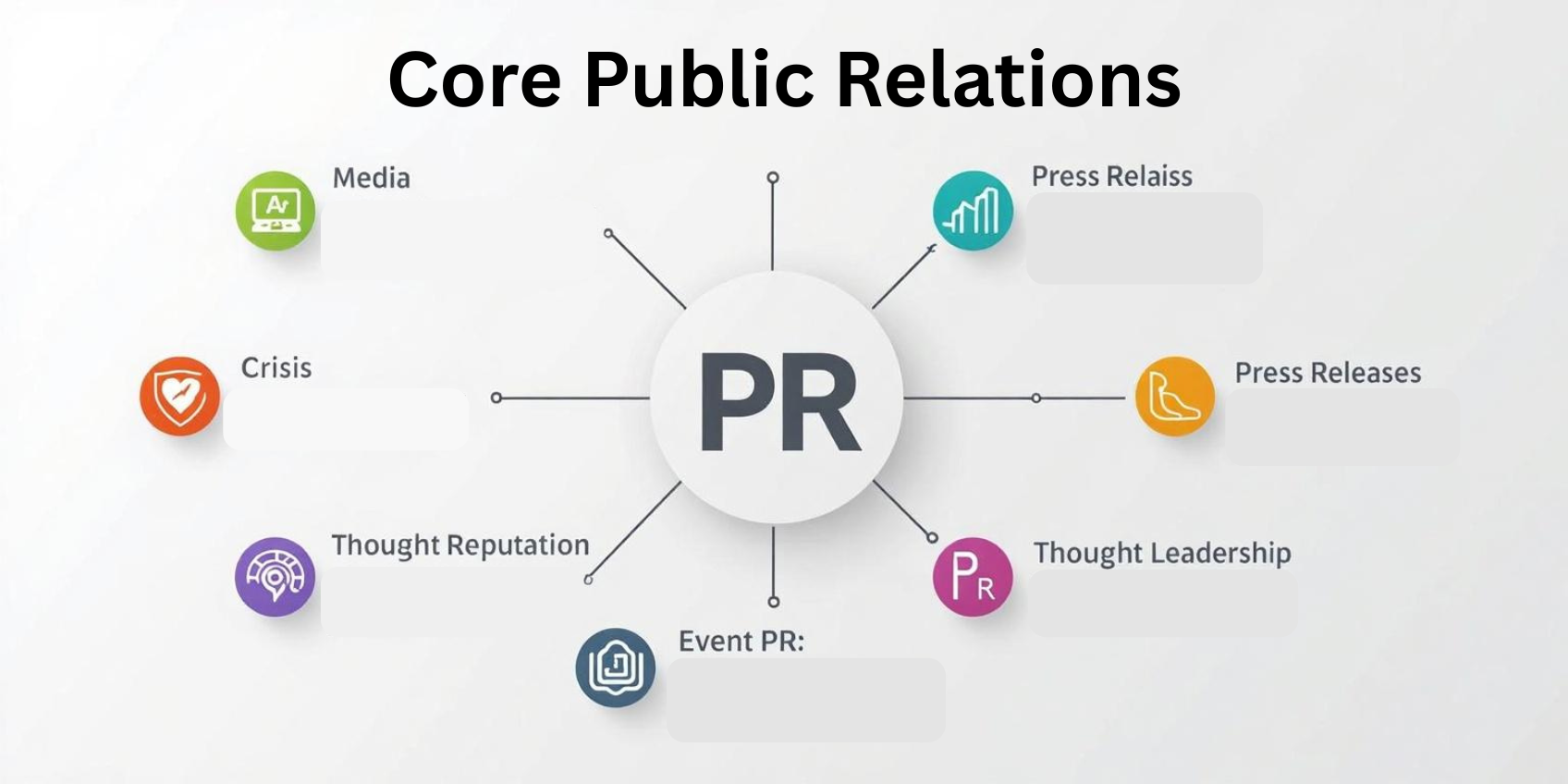
PR focuses on shaping public perception. It is the strategic communication process that helps brands build credibility, trust, and authority. PR relies on storytelling, relationships, and earned media to improve your brand’s reputation.
Key functions of PR include:
- Media relations
- Press releases and announcements
- Crisis communication
- Brand reputation management
- Thought leadership placements
- Event PR and brand partnerships
PR positions a brand as trustworthy, credible, and valuable, not because the brand says so, but because respected third parties do.
What Digital Marketing Really Does for a Brand
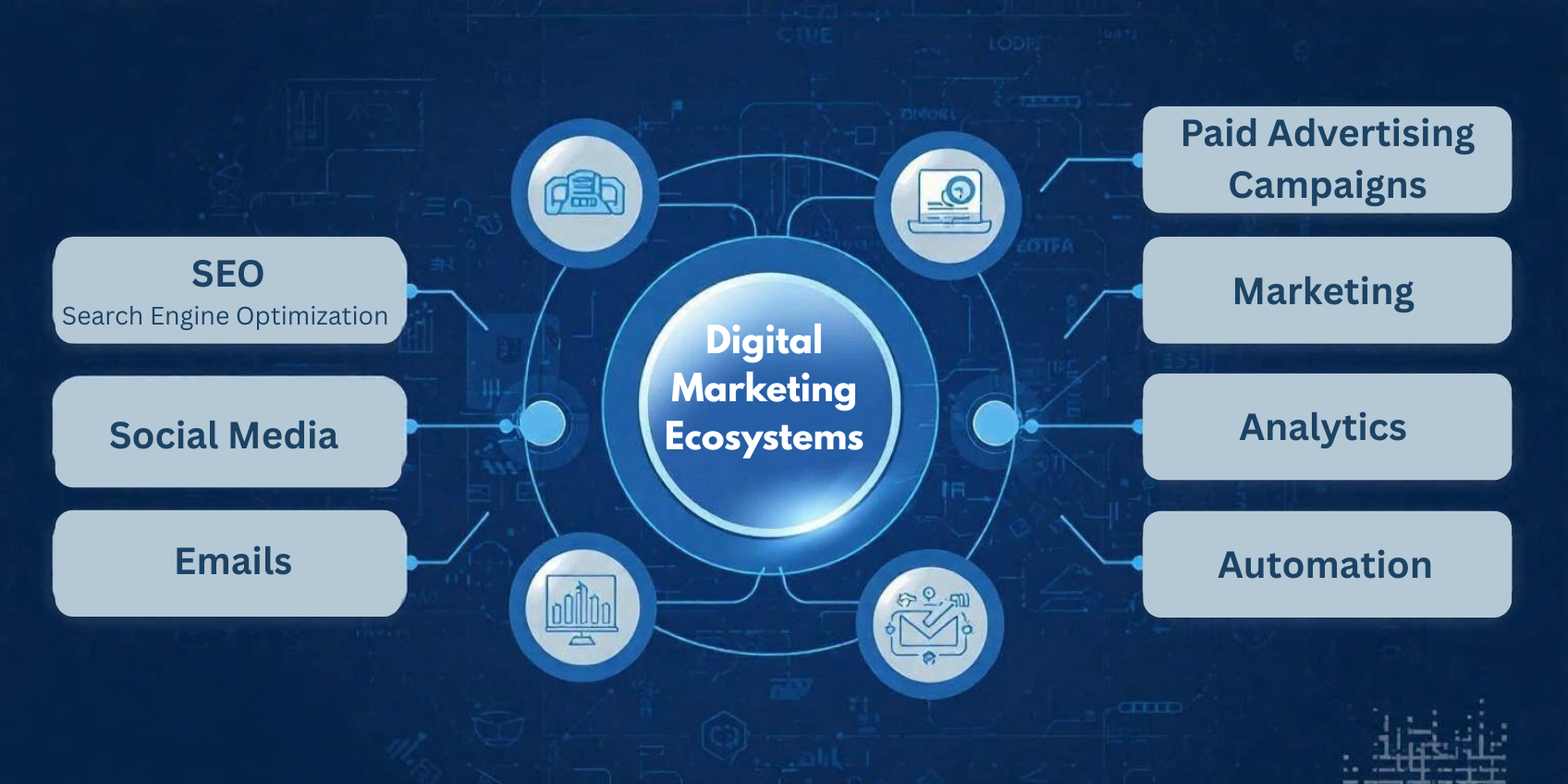
Digital Marketing is performance-driven. It utilises online channels to drive measurable results, including traffic, leads, engagement, and conversions.
Core components include:
- SEO
- Social media marketing
- Paid advertising (PPC, display ads)
- Content marketing
- Email marketing
- Analytics and automation
Digital Marketing focuses on reach, visibility, and driving specific user actions.
PR builds trust. Digital Marketing drives ROI. Together, they create a powerful brand engine.
2. Why Brands Cannot Choose Between PR and Digital Marketing
Many brands mistakenly choose one over the other. But in 2025 and beyond, choosing between PR and Digital Marketing is no longer an option because the modern consumer expects brands to be credible and visible across digital platforms.
Below are the reasons why both are necessary:
PR Builds Trust, Digital Marketing Converts It
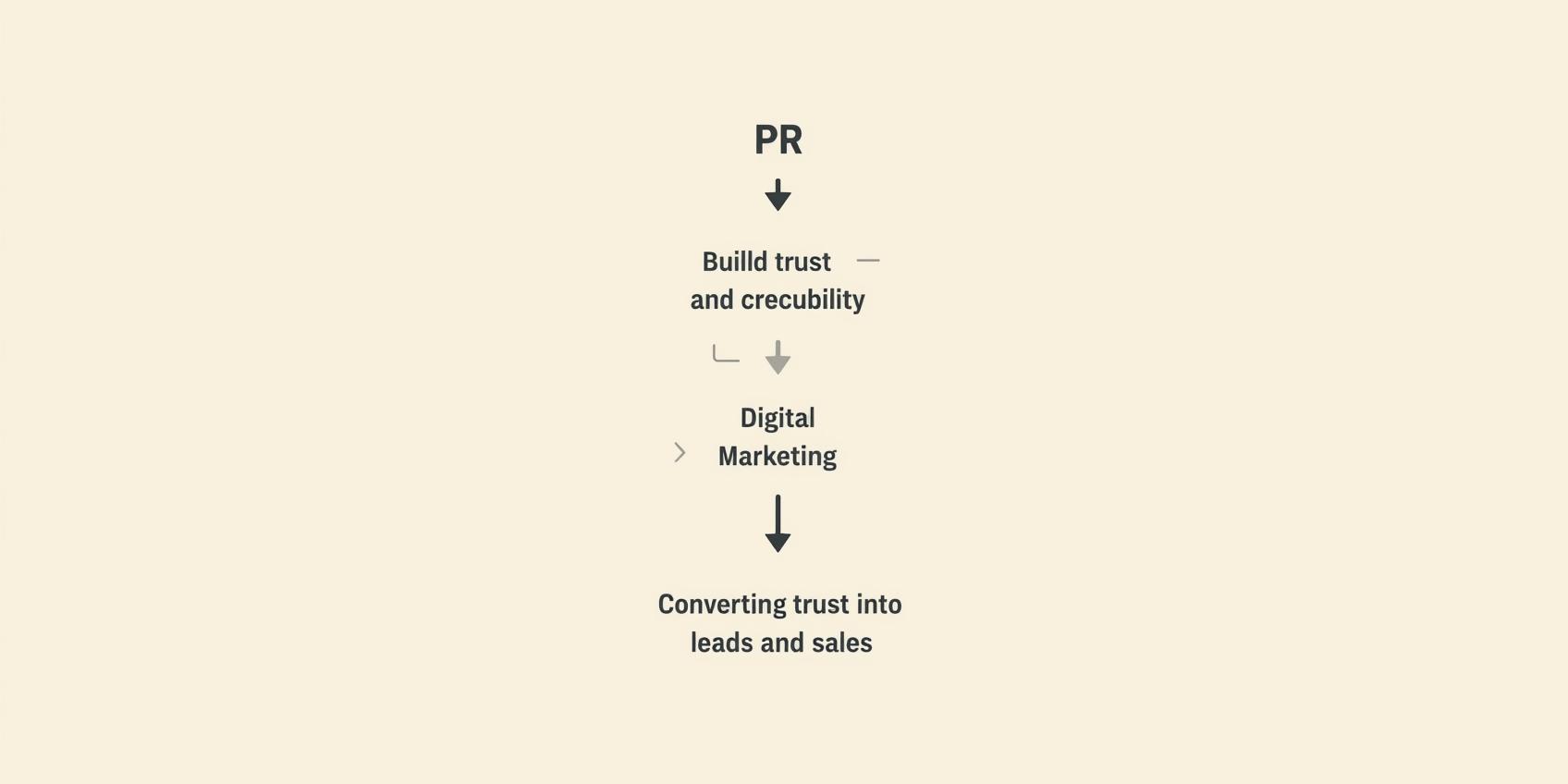
Trust is the new currency online. Without trust, even the most well-targeted campaigns fail.
How PR Helps Build Trust
When your brand is featured in news articles, reputable publications, interviews, or podcasts, it gets instant credibility. These earned mentions act as endorsements.
How Digital Marketing Converts That Trust
Once credibility exists, Digital Marketing turns attention into action.
For example:
- SEO turns editorial mentions into ranking power
- Paid ads convert brand awareness into leads
- Email campaigns nurture leads into customers
PR tells people why your brand matters.
Digital Marketing shows them what to do next.
This synergy is crucial for long-term growth.
PR Humanises a Brand While Digital Marketing Amplifies It
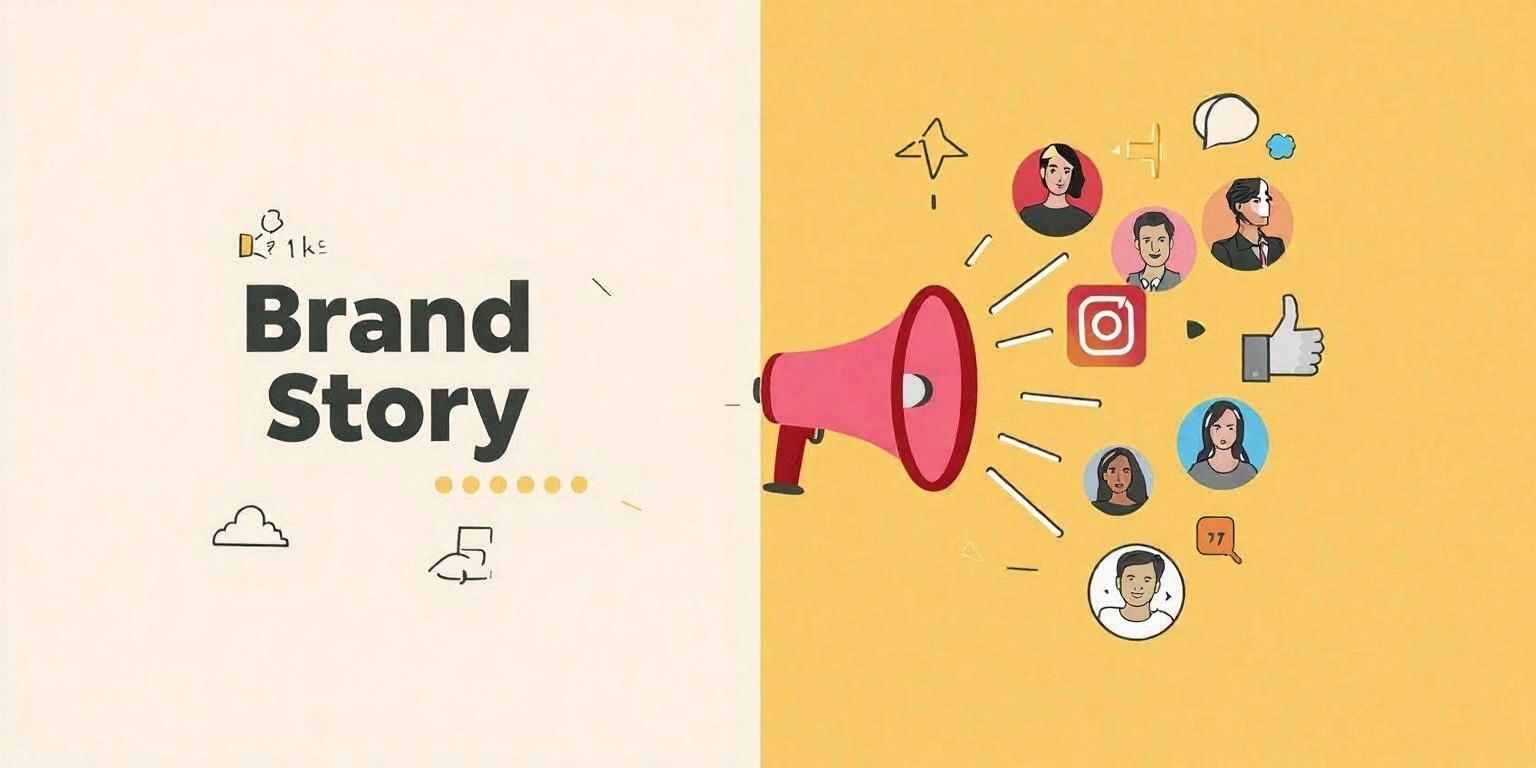
One reason every brand needs both PR and Digital Marketing is that PR humanises the brand story, while Digital Marketing ensures that the story reaches the right audience.
PR Gives the Brand a Voice
PR excels at framing the narrative:
- Why the brand was created
- Its mission and values
- The founder’s story
- Milestones and achievements
This emotional connection builds loyalty.
Digital Marketing Amplifies That Voice at Scale
Digital Marketing takes PR-built narratives and pushes them across channels through:
- Social media
- SEO blogs
- Email campaigns
- Video marketing
- Paid ads
Together, PR + Digital Marketing helps brands create meaningful emotional and transactional engagement.
PR Strengthens SEO and Digital Marketing Performance
Most people do not realise how deeply PR supports Digital Marketing, especially SEO.
High-Authority Backlinks from PR Boost SEO
When your brand earns media coverage from:
- Forbes
- Times of India
- Entrepreneur
- Money control
You gain high-authority backlinks that significantly improve search engine ranking. This directly boosts Digital Marketing success.
PR Mentions Drive Brand Searches
When people read about your brand in the news, they look you up online.
This increases:
- Organic traffic
- Branded searches
- Website authority
Digital Marketing thrives when brand visibility increases.
Digital Marketing Supports PR Through Analytics and Data
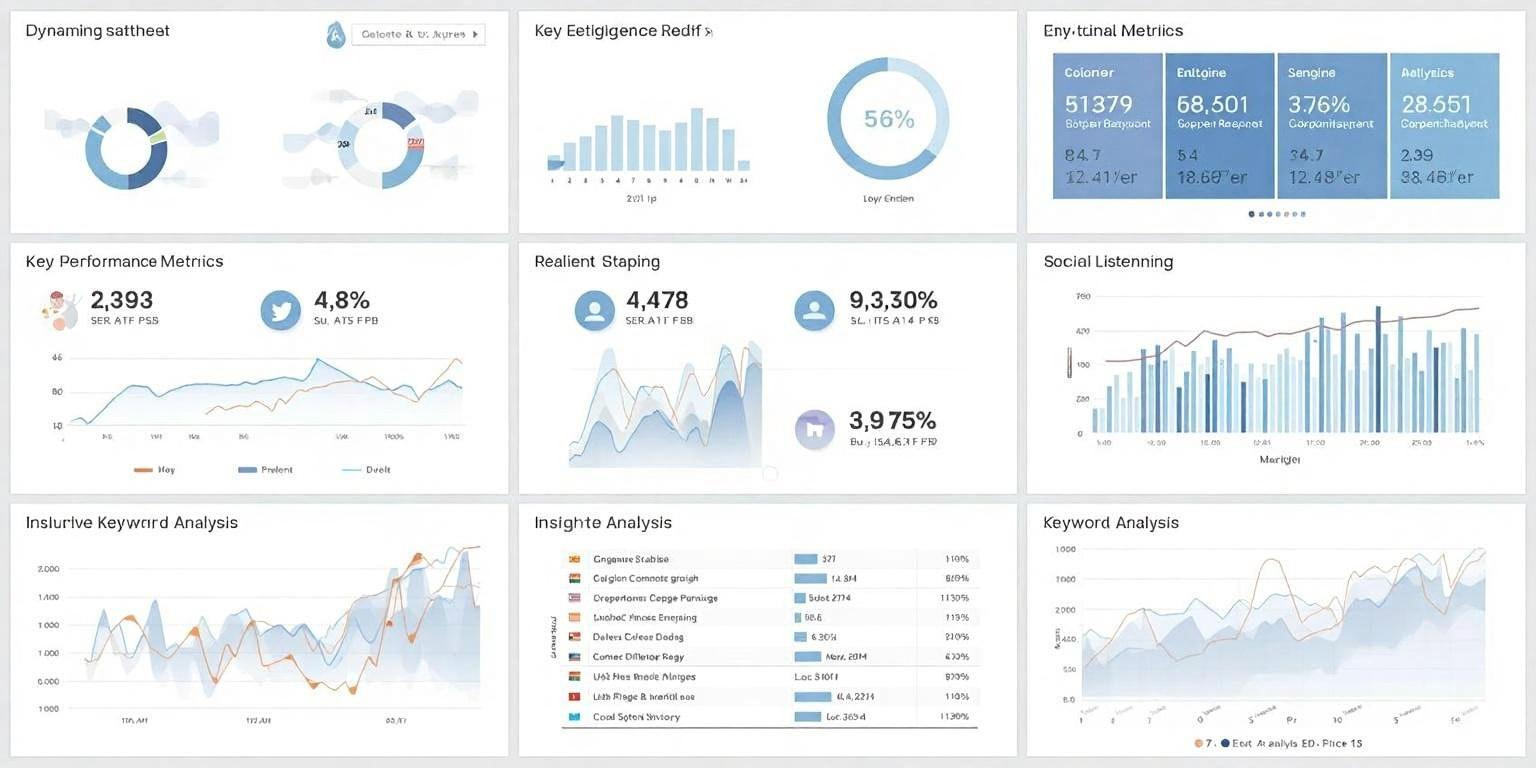
PR is traditionally qualitative, but Digital Marketing brings measurable insights.
Digital Data Shows What Story Works Best
By analysing:
- Page visits
- Engagement metrics
- Social listening reports
- Keyword trends
Digital Marketing helps PR teams understand what the audience cares about.
PR Uses These Insights to Improve Storytelling
PR teams use data to choose:
- Better press angles
- Better timing
- Stronger hooks
- More relevant publications
Digital Marketing fuels PR with intelligence.
PR Helps During Crises, Digital Marketing Helps During Recovery
Reputation management is one of the strongest reasons why brands need PR.
PR Manages Negative Publicity
When a crisis happens, PR protects the brand through:
- Official statements
- Media briefings
- Damage control communication
Digital Marketing Brings the Brand Back into Growth Mode
After the crisis, Digital Marketing helps rebuild the brand through:
- New campaigns
- Community engagement
- Targeted ads
- Social media activity
Together, PR and Digital Marketing guide the brand through crisis and recovery.
PR Builds Relationships While Digital Marketing Builds Communities
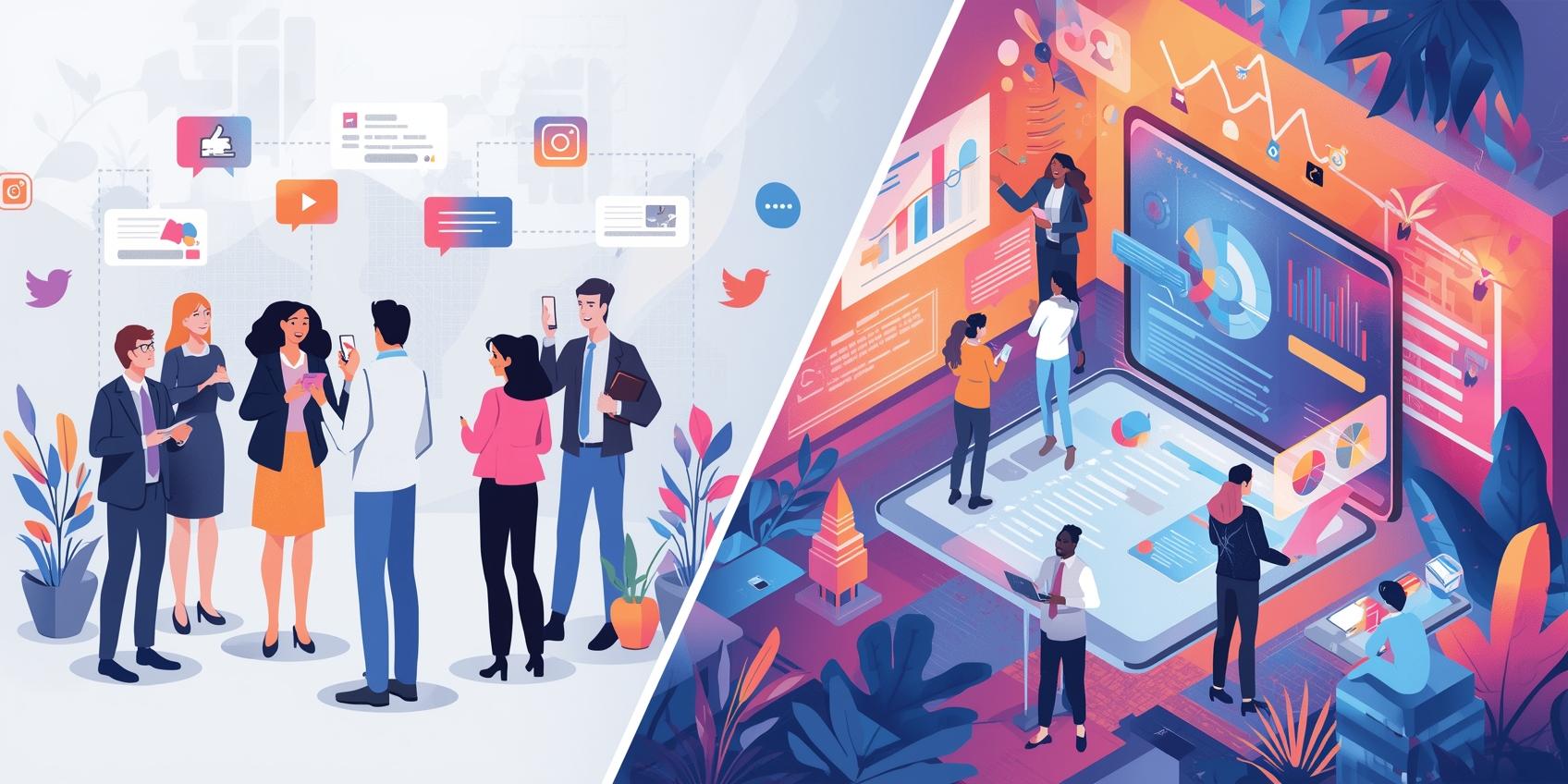
Both relationships and communities are essential for brand growth, but they come from different channels.
PR Creates Relationships with Media, Influencers, and Industry Leaders
These relationships turn into:
- Features
- Interviews
- Collaborations
- Thought leadership
Digital Marketing Creates Communities Around the Brand
Platforms like Instagram, YouTube, and LinkedIn help brands build communities that engage daily.
Communities drive:
- Word-of-mouth marketing
- Loyalty
- Organic reach
- Brand ambassadors
Both PR and Digital Marketing work together to make the brand a dominant force.
3. How PR and Digital Marketing Work Together in the Sales Funnel
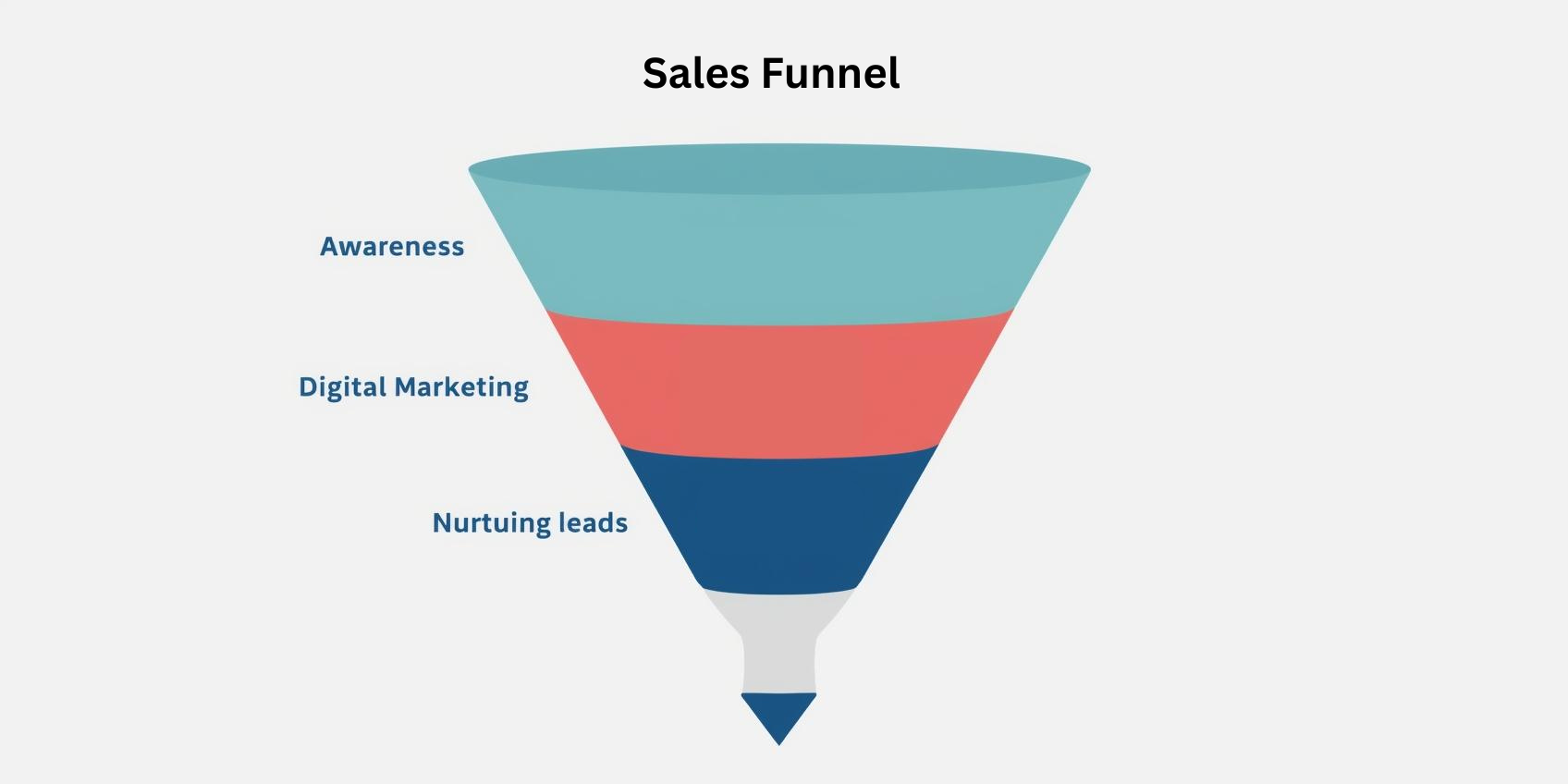
A brand becomes unbeatable when PR attracts attention at the top of the funnel, and Digital Marketing nurtures that attention to a purchase.
PR at the Top of the Funnel (Awareness)
PR activities such as media features, founder stories, and podcast appearances create massive awareness.
Digital Marketing at the Middle of the Funnel (Consideration)
Digital channels educate and nurture leads through:
- Blogs
- Social media content
- Retargeting ads
- Emails
Where PR Meets Digital Marketing: The Bottom of the Funnel (Conversion)
Authenticity built by PR makes conversions easier because trust already exists.
4. Digital Marketing Trends Strengthen the Role of PR Even Further
As Digital Marketing Trends evolve, PR becomes even more valuable for visibility and credibility.
Influencer Marketing Is Merging With PR
Influencers are becoming powerful PR channels because they combine storytelling with reach.
Brands Need More Authenticity
Modern Digital Marketing Trends show that consumers prefer real stories over polished ads.
This plays directly into PR’s strengths.
AI and Personalisation Are Driving Expectations Higher
AI-driven targeting increases the impact of PR content by delivering it to the right audience segments.
Social Proof Matters More Than Ever
Reviews, mentions, and testimonials, these PR assets boost Digital Marketing conversion rates exponentially.
PR Creates the Brand Image; Digital Marketing Keeps It Alive
Branding is not just about visuals; it’s about perception.
PR Establishes Brand Identity
Through storytelling and consistent messaging, PR shapes:
- Who the brand is
- What it believes
- Why it exists
Digital Marketing Reinforces This Identity Daily
Every post, ad, email, and content piece keeps the brand active in the customer’s mind.
5. Real-World Example of PR + Digital Marketing Success
Think about:
- Apple
- Nike
- Tesla
- Zomato
These companies invest heavily in PR and Digital Marketing.
Their success comes from making noise, building trust, and amplifying that trust digitally.
6. Why PR Alone Is Not Enough
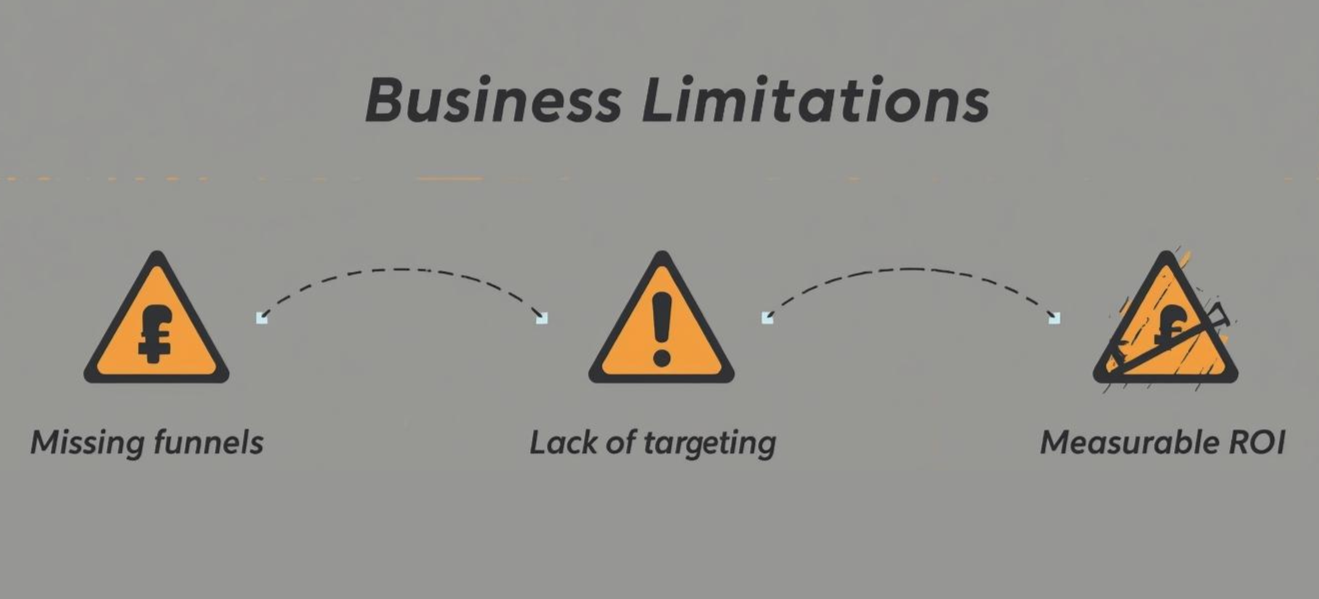
PR alone cannot:
- Drive targeted traffic
- Track user behaviour
- Build funnels
- Execute paid ads
- Retarget cold audiences
Without Digital Marketing, PR results remain limited.
7. Why Digital Marketing Alone Is Not Enough
Digital Marketing alone:
- Lacks the credibility of third-party endorsements
- Struggles during crises
- Cannot build emotional brand connections
- Cannot generate authority as strongly as PR
PR provides the authenticity that Digital Marketing needs.
Conclusion
The Future Belongs to Integrated Brands
The truth is simple:
PR builds reputation. Digital Marketing builds revenue.
Together, they build an unstoppable brand.
In a world where consumers demand authenticity and online visibility simultaneously, brands cannot choose between them. Public relations earns trust, while online marketing amplifies it.
By shaping your brand’s identity, the former lays the foundation, and the latter scales that presence across channels.
While reputation management builds long-term authority, digital advertising turns that influence into measurable conversions.
The brands that master this dual strategy will be the ones dominating their markets, building loyal communities, and achieving long-term success.