

In a world dominated by fast-paced digital content and short attention spans, brands are constantly searching for ways to create deeper, more meaningful connections with their audiences. One of the most powerful ways to achieve this is through storytelling in branding inspired by heritage.
Heritage carries emotion, history, identity, and authenticity, elements that modern consumers crave. When brands tap into heritage storytelling, they move beyond transactional communication and enter the realm of cultural connection and emotional resonance.
Today, consumers are not just buying products; they are buying stories, values, and experiences. This is why storytelling in branding inspired by heritage has become a key strategy for brands looking to build trust, differentiation, and long-term loyalty.
What is Storytelling in Branding Inspired by Heritage
Storytelling in branding inspired by heritage refers to the use of cultural, historical, or traditional narratives to shape a brand’s identity and communication.
This includes:
- Cultural traditions and practices
- Historical roots and origin stories
- Craftsmanship and legacy
- Regional and community-based narratives
- Generational values and experiences
Unlike generic storytelling, heritage-based storytelling gives brands depth, authenticity, and meaning.
Why Storytelling in Branding Inspired by Heritage Works
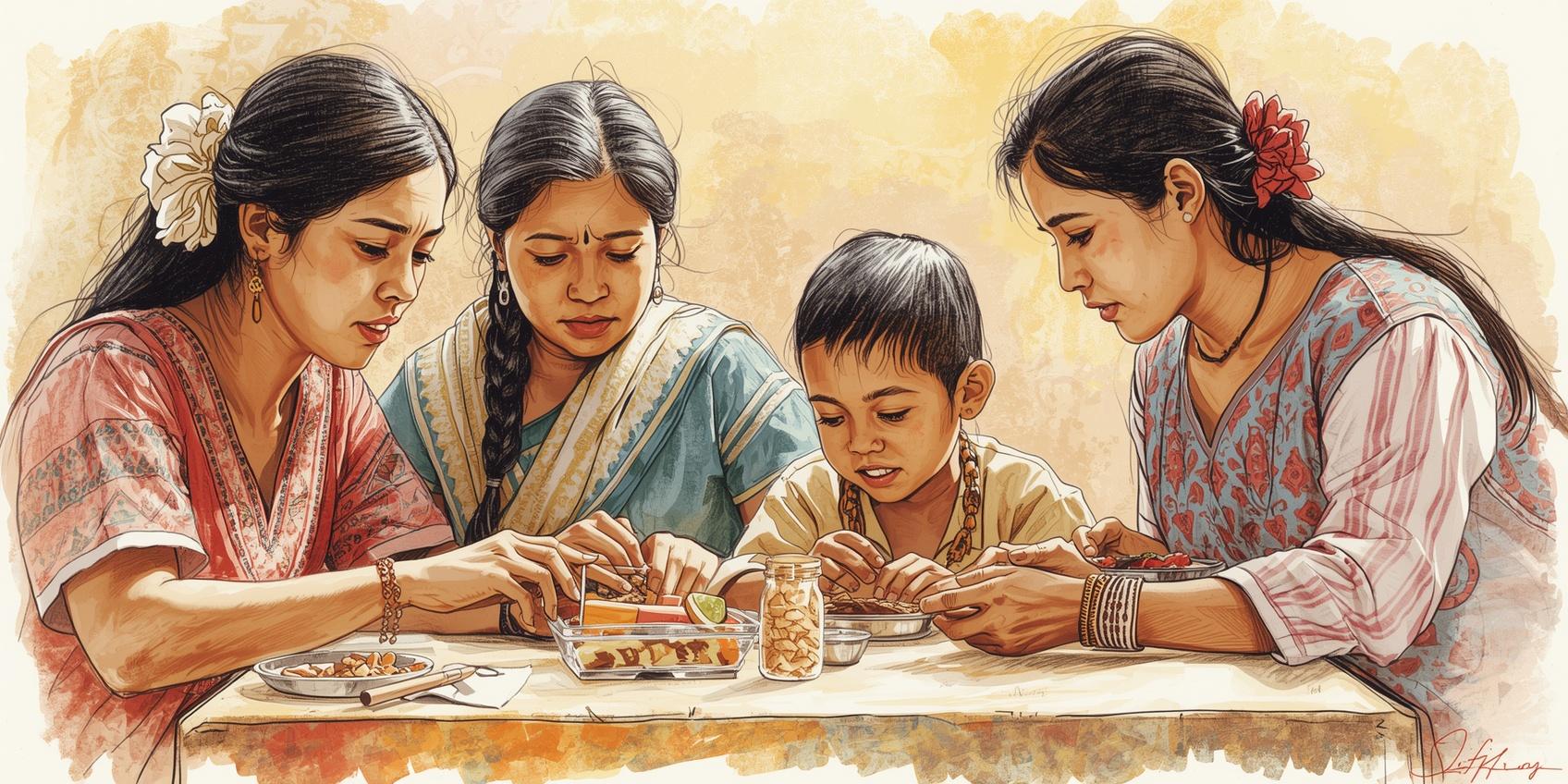
Heritage storytelling is powerful because it taps into human emotions and collective memory.
Emotional Connection
Stories rooted in heritage evoke nostalgia, pride, and belonging. These emotions create a strong bond between the brand and its audience.
Authenticity and Trust
In an age of over-marketing, authenticity stands out. Heritage-based storytelling feels real because it is grounded in truth and tradition.
Cultural Relevance
Consumers are increasingly interested in brands that reflect cultural identity. Storytelling in branding inspired by heritage helps brands stay culturally relevant.
Differentiation
While many brands focus on trends, heritage storytelling provides a unique positioning that competitors cannot easily replicate.
The Role of Heritage in Modern Brand Identity
Heritage is no longer limited to legacy brands. Even new-age companies are incorporating heritage elements into their branding.
Reconnecting with Roots
Brands are rediscovering their origins and using them as storytelling anchors.
Blending Tradition with Innovation
Modern branding combines traditional values with contemporary execution, creating a balance between old and new.
Cultural Storytelling as Brand Strategy
Heritage is becoming a strategic tool for brand positioning rather than just a background element.
Key Elements of Storytelling in Branding Inspired by Heritage
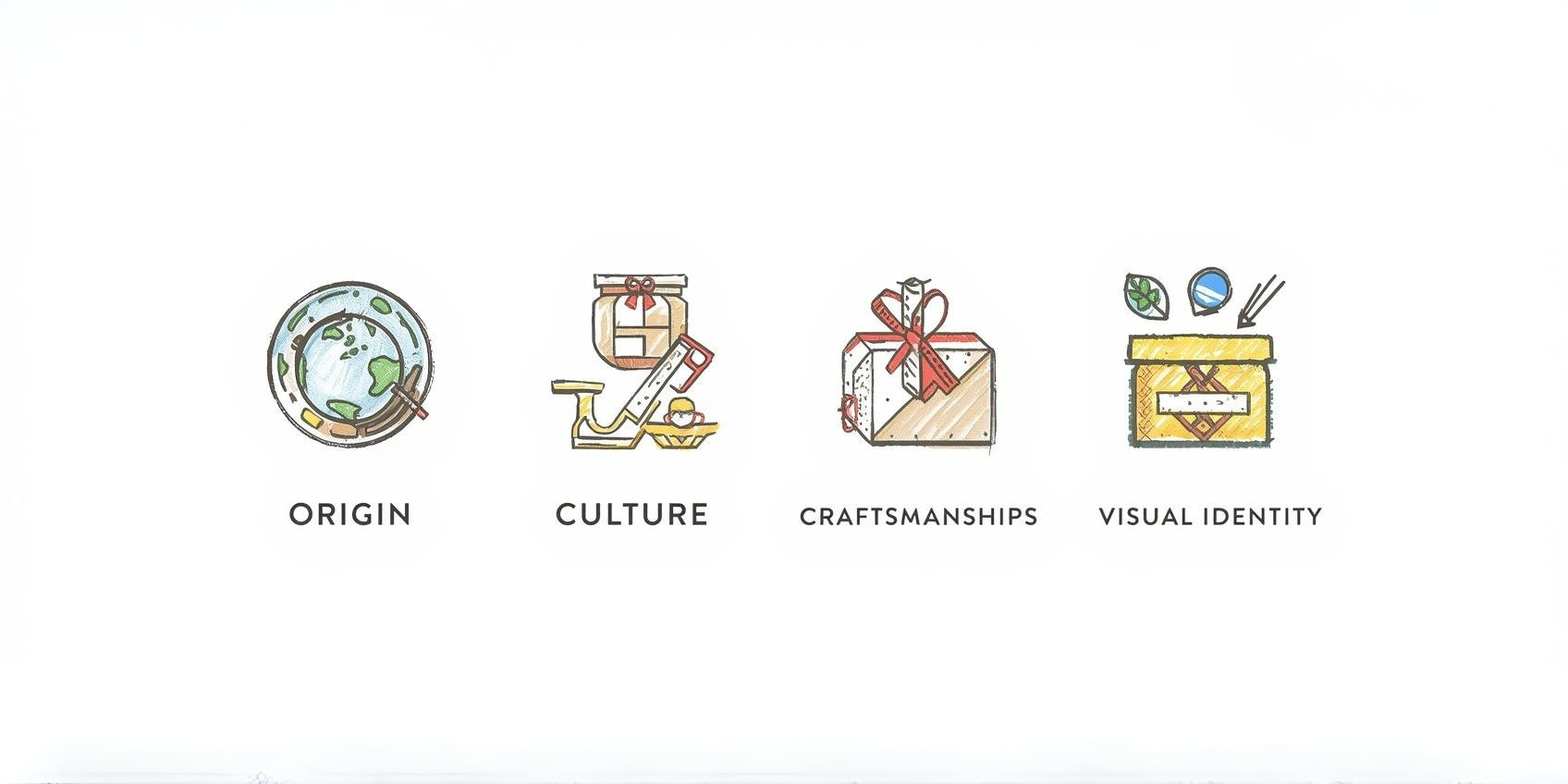
To effectively implement storytelling in branding inspired by heritage, brands must focus on several key elements.
1. Authentic Origin Stories
Every brand has a beginning. Sharing the journey of how the brand started, the challenges faced, and the vision behind it creates a compelling narrative.
Authentic origin stories help audiences connect with the brand on a human level.
2. Cultural Narratives
Cultural stories rooted in traditions, festivals, and local practices add richness to brand communication.
Brands that celebrate cultural diversity through storytelling can connect with wider audiences.
3. Craftsmanship and Legacy
Highlighting craftsmanship, skills, and legacy adds credibility and depth.
For example, brands in fashion, food, and handicrafts often use heritage storytelling to showcase tradition and expertise.
4. Visual Storytelling
Heritage storytelling is not just verbal; it is also visual.
Using:
- Traditional design elements
- Cultural motifs
- Historical references
enhances the storytelling experience.
How Brands Use Storytelling in Branding Inspired by Heritage
Many successful brands have effectively used heritage storytelling to build strong identities.
Luxury Brands and Heritage
Luxury brands often emphasise heritage to communicate exclusivity and craftsmanship. Their storytelling focuses on legacy, tradition, and timeless quality.
Indian Brands and Cultural Storytelling
Indian brands have a rich opportunity to leverage heritage storytelling due to the country’s diverse culture.
From regional textiles to traditional cuisine, brands can create powerful narratives rooted in local heritage.
Global Brands Adopting Local Heritage
Global brands entering local markets often adapt their communication to include cultural storytelling, making them more relatable.
Storytelling in Branding Inspired by Heritage in Digital Marketing
Digital platforms have amplified the impact of heritage storytelling.
Content Marketing
Blogs, articles, and long-form content allow brands to share detailed heritage stories.
Social Media
Short-form videos, reels, and posts help bring heritage stories to life visually.
Video Storytelling
Video content is one of the most effective ways to showcase cultural narratives and traditions.
Interactive Content
Quizzes, polls, and AR experiences can engage audiences with heritage themes.
SEO Benefits of Storytelling in Branding Inspired by Heritage
Heritage storytelling is not just emotionally powerful; it is also beneficial for SEO.
High Engagement Rates
Emotion-driven content keeps users on the page longer, improving dwell time.
Keyword Opportunities
Heritage-based content can target niche keywords related to culture, tradition, and storytelling.
Backlink Potential
Authentic stories are more likely to be shared and referenced, increasing backlinks.
Improved Authority
Consistent storytelling builds brand authority and trust, which are key SEO factors.
Challenges in Storytelling in Branding Inspired by Heritage
While heritage storytelling is powerful, it comes with challenges.
Avoiding Cultural Misrepresentation
Brands must ensure accuracy and sensitivity when representing cultural elements.
Maintaining Authenticity
Over-commercialising heritage can make storytelling appear inauthentic.
Balancing Tradition and Modernity
Brands must find the right balance between traditional values and modern expectations.
How Brands Can Implement Storytelling in Branding Inspired by Heritage
To effectively use heritage storytelling, brands should follow these strategies:
Research and Understand Heritage
Brands must invest time in understanding cultural contexts and historical significance.
Engage with Communities
Collaborating with local communities and experts ensures authenticity.
Create Consistent Narratives
Heritage storytelling should be consistent across all communication channels.
Leverage Multiple Formats
Use blogs, videos, social media, and PR to tell stories in different formats.
Focus on Emotional Connection
The goal is not just to inform but to make audiences feel connected.
The Future of Storytelling in Branding Inspired by Heritage

As consumers become more conscious and culturally aware, heritage storytelling will become even more important.
Rise of Cultural Identity
Brands will increasingly focus on representing cultural diversity.
Technology-Driven Storytelling
AR, VR, and AI will enhance how heritage stories are told.
Global-Local Balance
Brands will combine global reach with local cultural relevance.
Why Storytelling in Branding Inspired by Heritage Builds Strong Brands
Brands that use heritage storytelling effectively can:
- Build trust and credibility
- Create emotional connections
- Differentiate from competitors
- Strengthen brand identity
- Drive long-term loyalty
In a crowded market, storytelling in branding inspired by heritage offers a unique advantage.
Conclusion
The Power of Heritage in Modern Branding
In today’s fast-moving digital world, heritage provides a sense of stability, authenticity, and meaning.
The Power of Heritage in Modern Branding allows brands to connect with audiences on a deeper level, going beyond products and services.
It transforms brands into storytellers, creating experiences that resonate emotionally and culturally.
As branding continues to evolve, one thing remains clear:
The future belongs to brands that can tell meaningful stories rooted in authenticity and heritage.