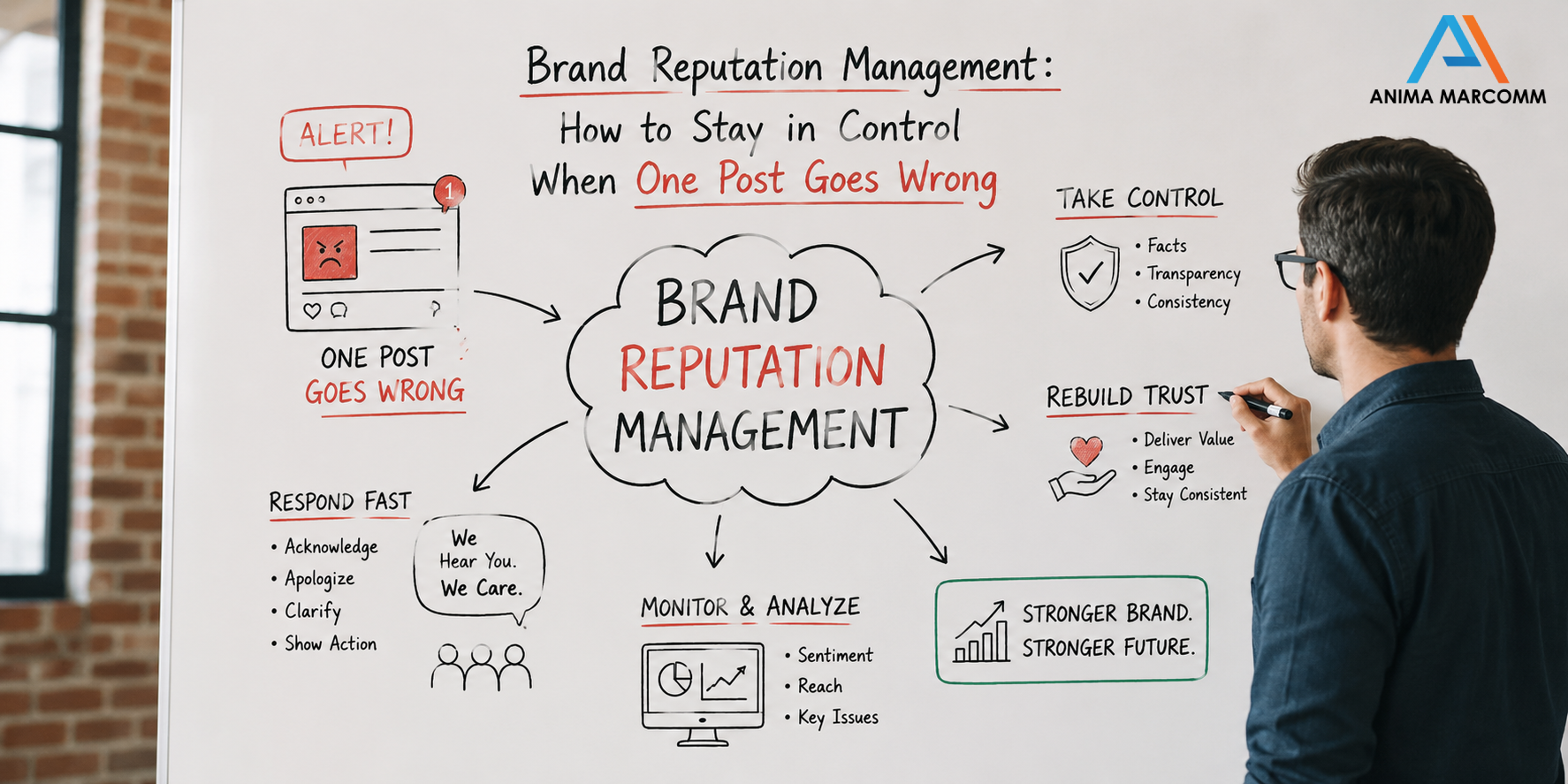

Building a startup is exciting, fast-paced, and full of opportunities, but it is also filled with critical decisions that can make or break the business. Among these, branding is one of the most underestimated yet powerful factors that determine long-term success.
Many startups focus heavily on product development, funding, and growth hacks, but overlook branding in the early stages. This often leads to confusion in positioning, weak customer connection, and difficulty in scaling.
Understanding the branding mistakes startups must avoid is essential for creating a strong, consistent, and impactful brand identity that drives trust, recognition, and growth.
In this blog, we will explore the most common branding mistakes startups must avoid, why they occur, and how startups can build a powerful brand from the ground up.
Why Branding Matters for Startups
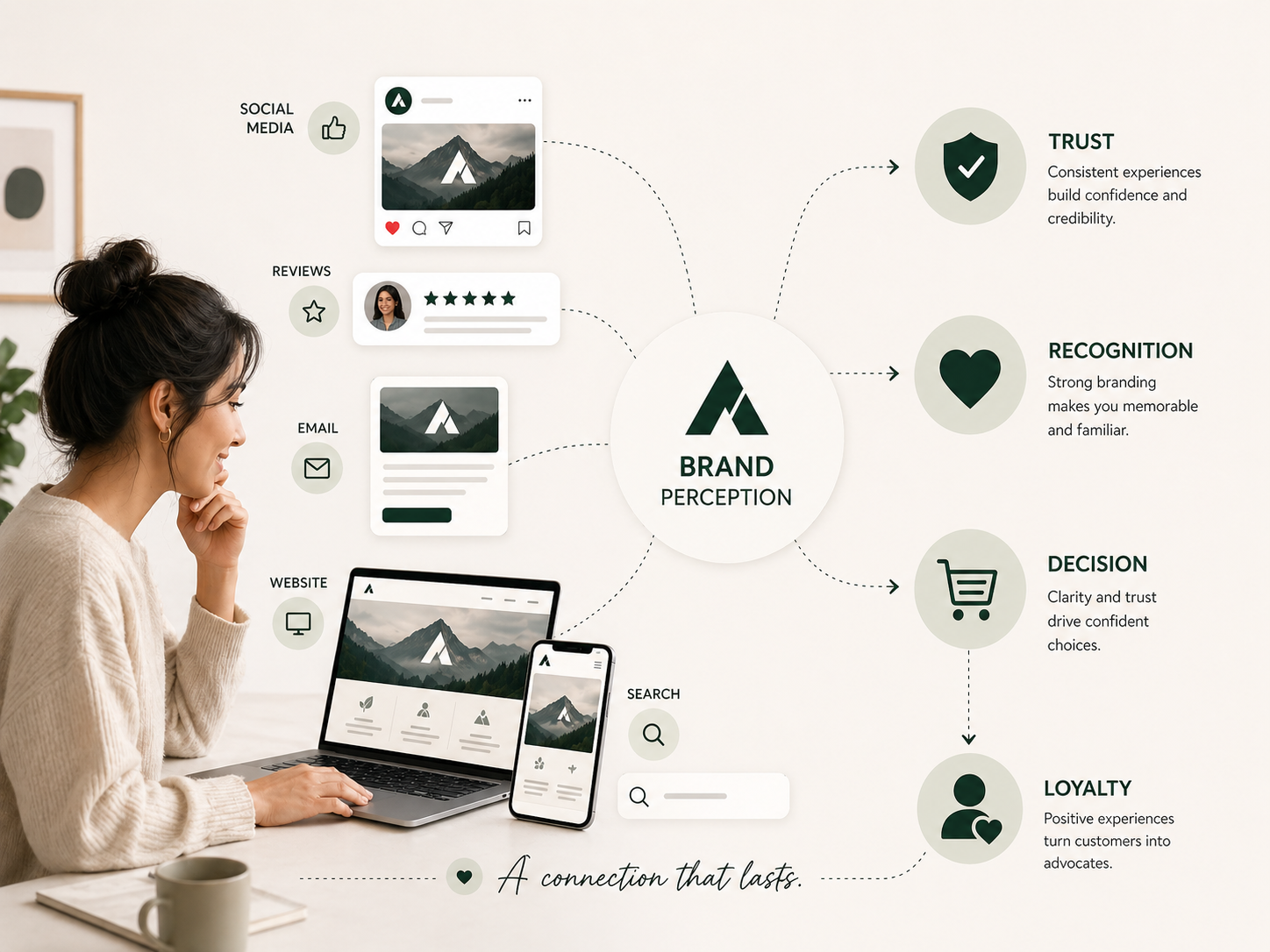
Before diving into the mistakes, it’s important to understand why branding is critical.
Branding is not just about logos or colours, it is about:
- How customers perceive your business
- What your brand stands for
- The emotional connection you create
- The consistency of your communication
For startups, strong branding helps:
- Differentiate from competitors
- Build trust quickly
- Attract customers and investors
- Support long-term growth
Ignoring branding early often leads to expensive corrections later.
Branding Mistakes Startups Must Avoid
Lack of Clear Brand Identity
One of the biggest branding mistakes startups must avoid is not defining a clear brand identity.
What Happens Without Clarity
- Inconsistent messaging
- Confused audience perception
- Weak brand recall
How to Fix It
Startups must define:
- Brand mission and vision
- Core values
- Target audience
- Unique value proposition
A clear identity is the foundation of all branding efforts.
Ignoring the Target Audience
Many startups make the mistake of trying to appeal to everyone.
Why This is a Problem
- Messaging becomes generic
- Campaigns lack impact
- Customers don’t feel connected
Solution
- Identify a specific audience segment
- Understand their needs and behaviour
- Tailor messaging accordingly
Effective branding starts with knowing who you are speaking to.
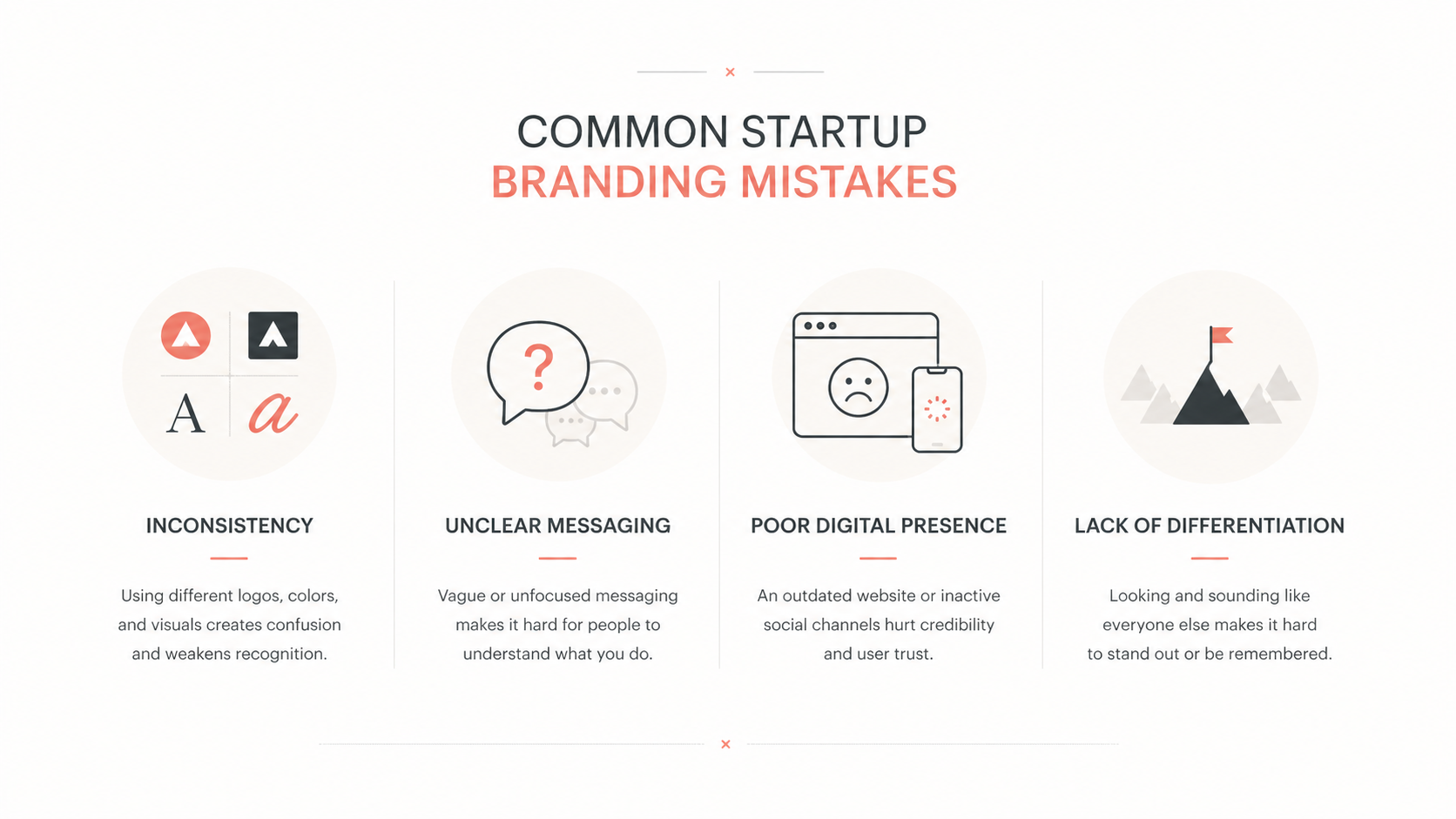
Inconsistent Brand Communication
Consistency is key to building trust.
Common Issues
- Different tone across platforms
- Inconsistent visuals
- Mixed messaging
Impact
Inconsistency weakens brand recognition and confuses audiences.
Best Practice
Maintain consistency in:
- Visual identity
- Tone of voice
- Messaging across channels
Over-Focusing on Logo and Design
While design is important, branding goes beyond aesthetics.
The Mistake
Startups often invest heavily in logos and ignore storytelling and positioning.
The Reality
A beautiful logo cannot compensate for weak messaging.
Solution
Focus on:
- Brand story
- Customer experience
- Emotional connection
Design should support the brand, not define it entirely.
Lack of Differentiation
In crowded markets, standing out is crucial.
The Problem
Many startups fail to clearly communicate what makes them unique.
Result
- Price competition
- Low brand recall
- Weak customer loyalty
Solution
Define and communicate your unique value proposition clearly.
Ignoring Brand Storytelling
Storytelling is one of the most powerful branding tools.
Why It Matters
Stories create emotional connections and make brands memorable.
Common Mistake
Startups focus only on features and benefits.
Better Approach
Share:
- Founder journey
- Customer success stories
- Brand purpose
Neglecting Digital Presence
In today’s digital world, online presence defines brand perception.
Common Issues
- Poor website design
- Weak social media presence
- Lack of content strategy
Impact
Customers may perceive the brand as unprofessional or unreliable.
Solution
Invest in:
- SEO-friendly website
- Active social media presence
- Content marketing
Not Investing in SEO
SEO plays a critical role in brand visibility.
The Mistake
Ignoring search engine optimisation limits discoverability.
Benefits of SEO
- Increased organic traffic
- Better brand visibility
- Higher credibility
Strategy
- Use relevant keywords
- Create high-quality content
- Optimize website performance
Poor Customer Experience
Branding is not just what you say, it’s what customers experience.
Common Problems
- Slow customer support
- Confusing user experience
- Lack of personalisation
Impact
Negative experiences damage brand reputation.
Solution
Focus on delivering consistent and positive customer experiences.
Ignoring Feedback
Customer feedback is a valuable resource.
The Mistake
Startups often ignore or overlook feedback.
Why It Matters
Feedback helps improve products and communication.
Best Practice
- Monitor reviews
- Engage with customers
- Use insights for improvement
Short-Term Thinking
Many startups focus on quick wins rather than long-term branding.
The Problem
- Inconsistent campaigns
- Lack of brand building
- Weak positioning
Solution
Invest in long-term strategies such as:
- Content marketing
- Thought leadership
- Community building
Weak Social Media Strategy
Social media is a key branding platform.
Common Mistakes
- Posting without a strategy
- Ignoring engagement
- Copying competitors
Solution
- Develop a content plan
- Engage with audiences
- Create original content
Not Building Trust
Trust is essential for brand success.
What Builds Trust
- Transparency
- Consistency
- Authentic communication
Mistake
Over-promising and under-delivering damages credibility.
Lack of PR Strategy
Public relations helps shape brand perception.
Common Mistake
Startups ignore PR until they need visibility.
Benefits of PR
- Media coverage
- Credibility
- Thought leadership
Ignoring Competitor Analysis
Understanding competitors helps refine positioning.
The Mistake
Not analysing competitor strategies.
Solution
- Study competitor branding
- Identify gaps
- Position your brand uniquely
Overcomplicating the Brand Message
Simple messaging is more effective.
The Problem
Complex messages confuse audiences.
Solution
Keep messaging:
- Clear
- Concise
- Easy to understand
Not Adapting to Trends
The market evolves constantly.
The Mistake
Sticking to outdated strategies.
Solution
Stay updated with:
- Digital trends
- Consumer behavior
- Technology advancements
How Startups Can Build Strong Branding
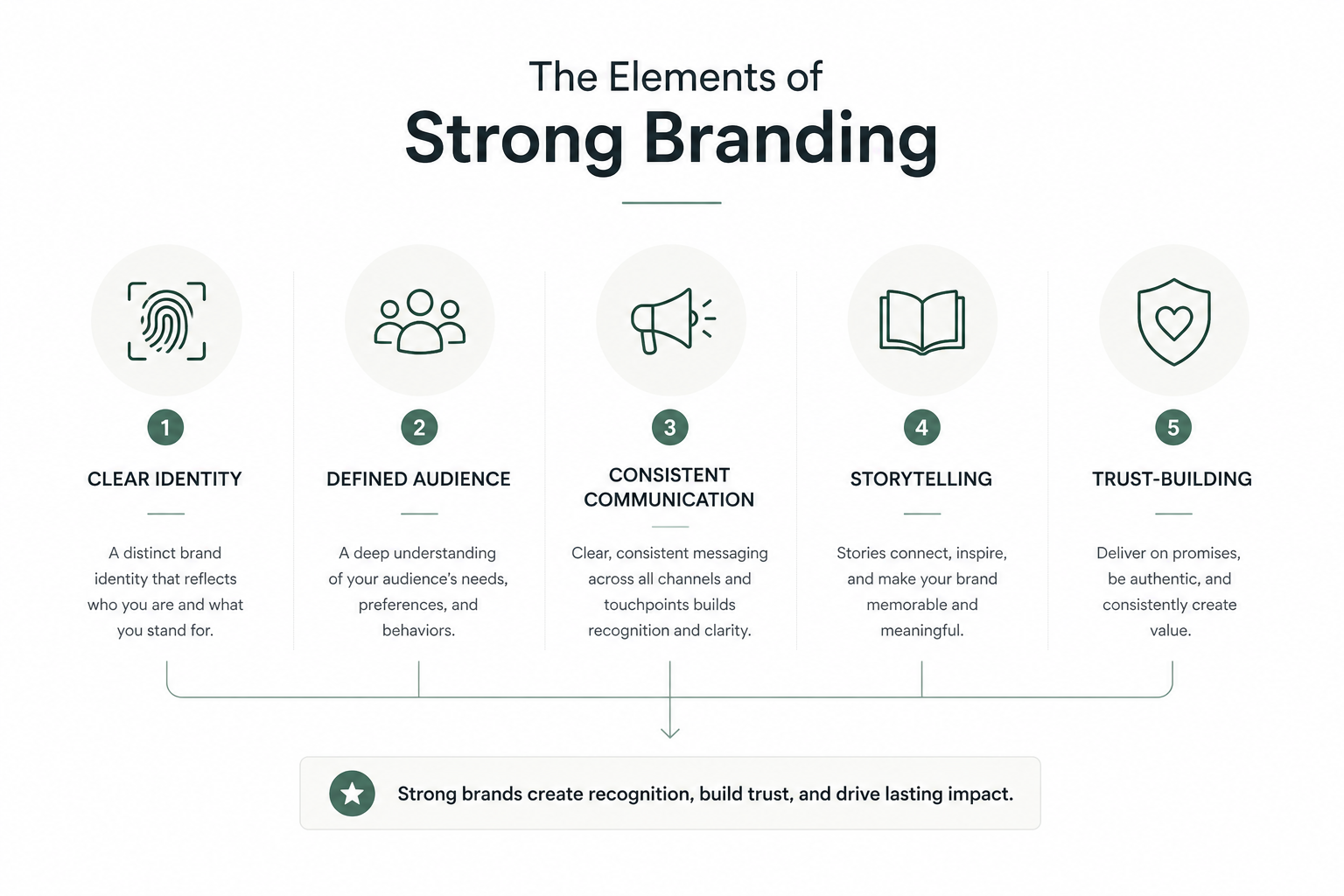
To avoid these mistakes, startups should:
- Define a clear brand identity
- Understand the target audience
- Maintain consistency
- Invest in SEO and content
- Focus on storytelling
- Build trust and credibility
- Align branding with business goals
Conclusion
Building a Strong Brand from the Start
Branding is not a one-time activity; it is an ongoing process that evolves with the business.
Understanding the branding mistakes startups must avoid helps businesses create a strong foundation for growth.
Startups that invest in branding early can:
- Build trust faster
- Stand out in competitive markets
- Create loyal customer bases
- Achieve long-term success
In the end, branding is not just about how your business looks; it’s about how it is perceived, remembered, and trusted.