

The start of a new year is more than just a calendar change for businesses. It serves as a powerful psychological reset point for both brands and consumers. For Indian companies operating in an increasingly competitive and digital-first economy, the New Year presents a critical opportunity to redefine perception, refresh messaging, and strengthen long-term growth.
In 2026 and beyond, success will not depend solely on visibility but also on clarity, consistency, and credibility. This is where brand positioning in India becomes a decisive factor. Brands that clearly define who they are, what they stand for, and why they matter will outperform those that rely on generic marketing tactics.
This blog explores New Year brand positioning strategies for Indian companies, offering a detailed, SEO-friendly guide on how businesses can realign their brand identity, messaging, and digital presence to stay relevant, trusted, and profitable.
Why Brand Positioning Matters More Than Ever in India

India’s consumer market is evolving at an unprecedented pace. With growing digital adoption, increased access to information, and rising expectations, customers today compare brands not just on price but on values, experience, and trust.
Strong brand positioning in India helps businesses:
- Stand out in overcrowded markets
- Build emotional connections with consumers
- Improve brand recall and loyalty
- Support digital marketing performance
- Command premium pricing
As a new year begins, reassessing your brand’s position ensures that your messaging aligns with current consumer behaviour and future market trends.
Understanding Brand Positioning in the Indian Business Context
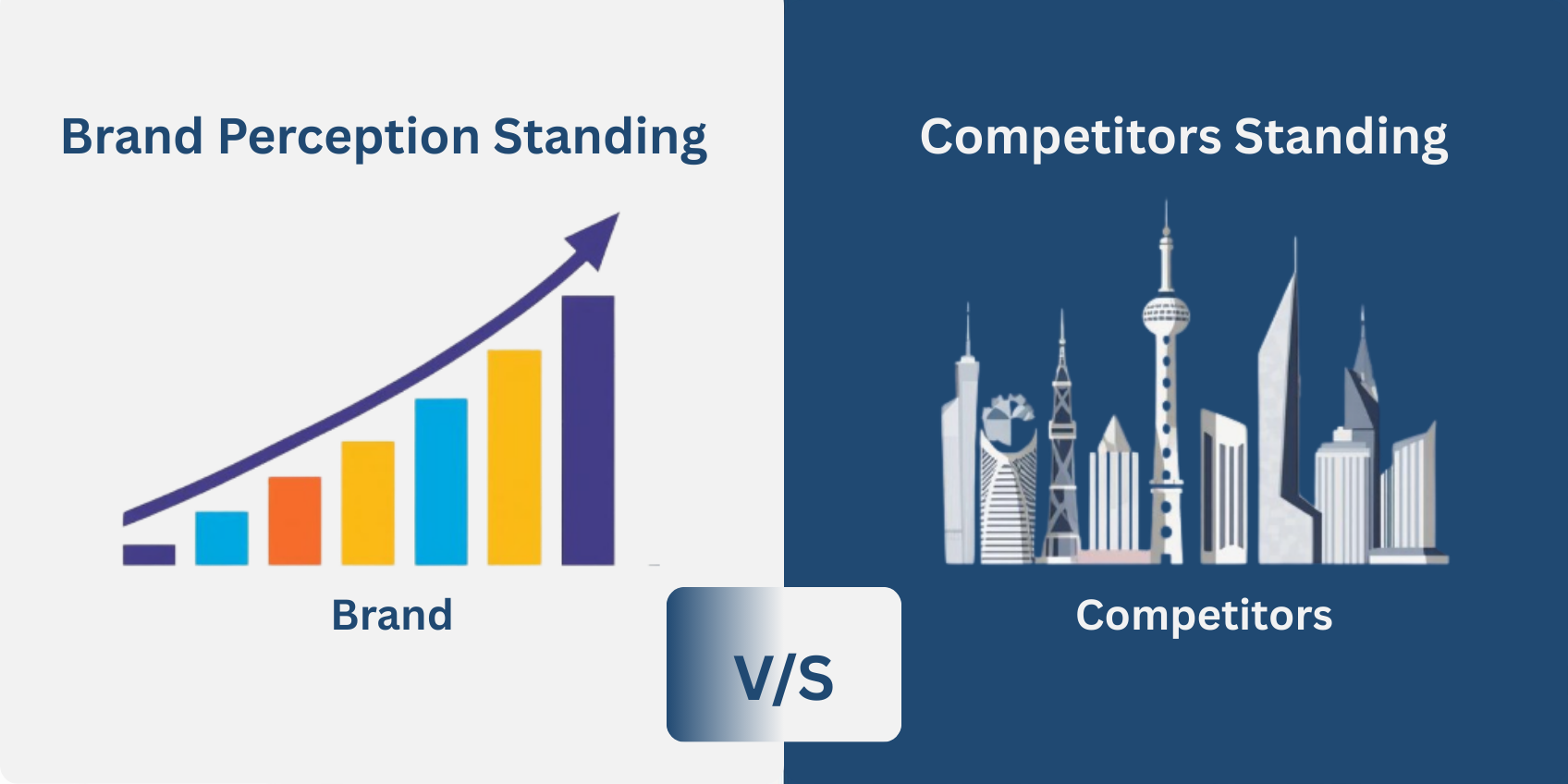
Brand positioning is the strategic process of defining how your brand is perceived in the minds of your target audience relative to competitors. In India, this process must consider cultural diversity, language differences, regional preferences, and rapidly changing digital habits.
Key Elements of Brand Positioning India Requires
- Clear brand purpose and values
- Distinct value proposition
- Consistent messaging across channels
- Cultural and regional relevance
- Digital-first communication
Indian companies that adapt their positioning to these realities are better equipped to scale nationally and globally.
Why the New Year Is the Best Time for Brand Positioning in India
The New Year represents new goals, new expectations, and new opportunities. Consumers are more open to change, and brands have the chance to reset narratives and introduce fresh perspectives.
Benefits of New Year Brand Positioning Strategies
- Opportunity to refresh brand identity
- Alignment with updated business goals
- Stronger annual marketing roadmap
- Improved stakeholder confidence
- Renewed customer engagement
For Indian companies, the New Year is the ideal moment to strengthen brand positioning in India with clarity and confidence.
1. Re-evaluate Your Brand Purpose for Brand Positioning in India
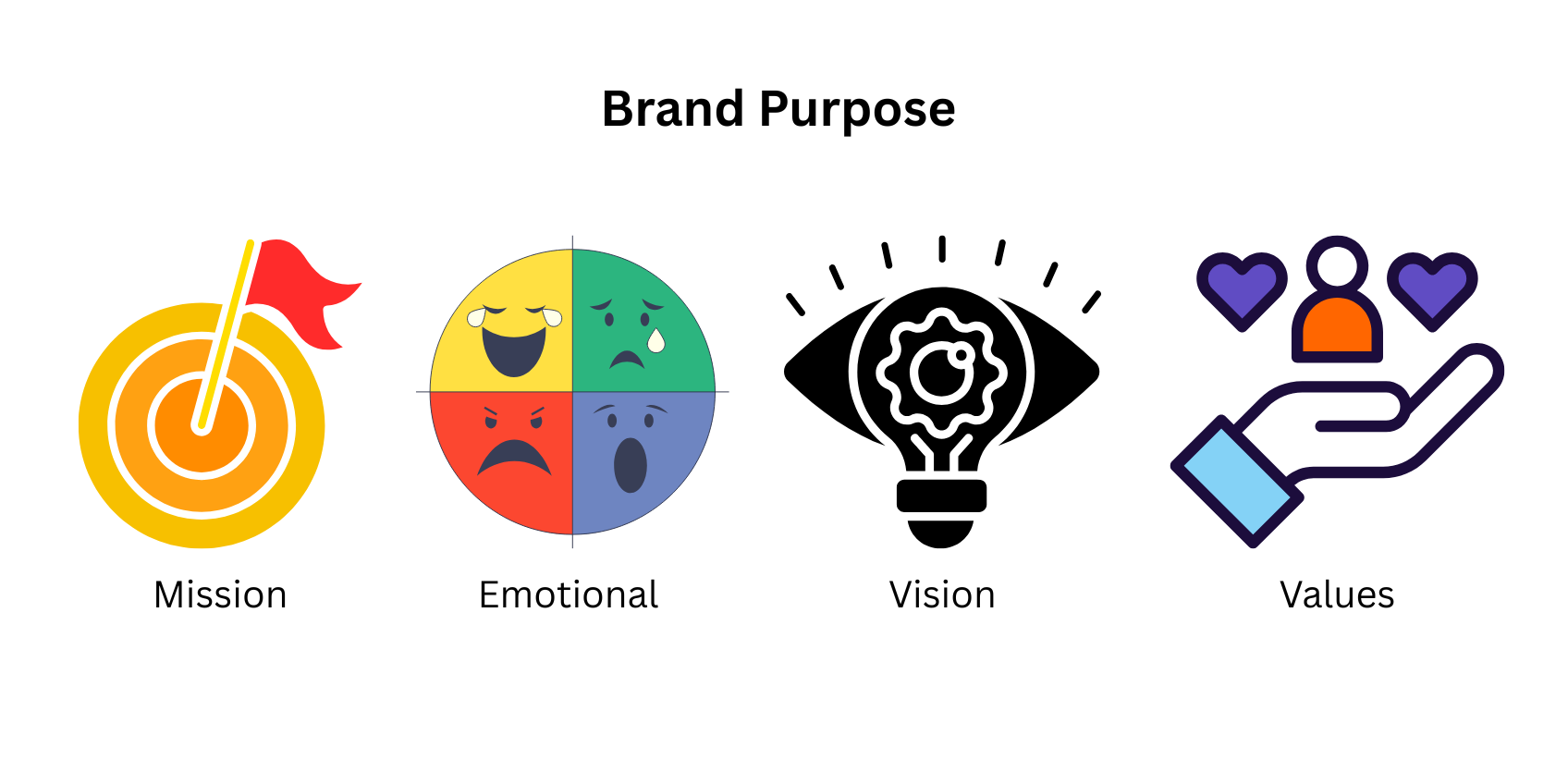
A strong brand purpose is the foundation of effective positioning. As the market evolves, brands must reassess whether their purpose still resonates with modern Indian consumers.
Questions to Ask
- Why does your brand exist beyond profit?
- What problem do you solve for Indian consumers?
- Does your messaging reflect current values and aspirations?
Purpose-driven brands build deeper emotional connections and long-term loyalty. In 2026, Indian consumers increasingly support brands that stand for something meaningful.
2. Understand Changing Indian Consumer Behaviour

Consumer behaviour in India is shaped by digital exposure, economic shifts, and cultural transitions. Successful New Year brand positioning strategies begin with understanding these changes.
Key Behavioural Shifts in India
- Preference for value-driven brands
- Growing trust in online reviews and communities
- Increased demand for transparency
- Rise of regional and vernacular audiences
Aligning your brand messaging with these insights strengthens brand positioning in India across diverse consumer segments.
3. Define a Clear Value Proposition for Indian Markets
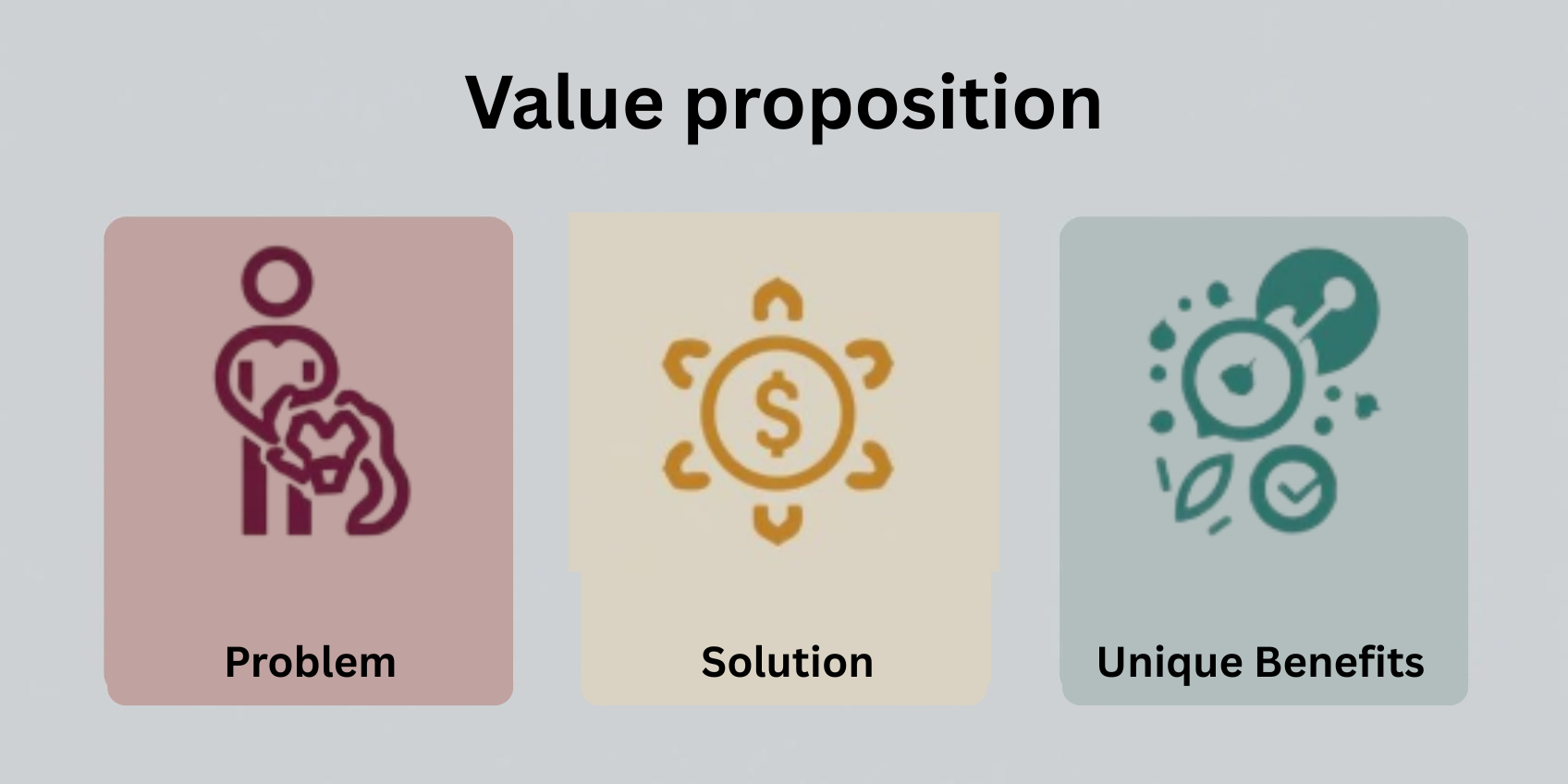
Your value proposition explains why customers should choose your brand over others. In crowded Indian markets, clarity is crucial.
An Effective Value Proposition Should
- Solve a real customer pain point
- Highlight unique benefits
- Be simple and easy to understand
- Reflect the Indian consumer needs
A strong value proposition becomes the anchor of all marketing and communication efforts throughout the year.
4. Strengthen Digital Presence to Support Brand Positioning in India

Digital platforms are where most brand interactions now happen. From websites to social media, your digital presence must reflect your positioning clearly and consistently.
Digital Touchpoints to Optimise
- Website messaging and UX
- Social media bios and content
- Search engine visibility
- Online reviews and reputation
- Content marketing assets
A cohesive digital presence reinforces brand positioning in India and builds trust at every interaction.
5. Use Content Marketing to Establish Authority

Content plays a critical role in shaping perception. Indian companies must shift from promotional content to value-driven, educational, and insightful storytelling.
Content That Strengthens Brand Positioning
- In-depth blogs and guides
- Industry insights and reports
- Thought leadership articles
- Educational videos and webinars
Authority-driven content improves SEO, builds credibility, and positions your brand as a trusted industry leader.
6. Adopt Regional and Vernacular Communication Strategies
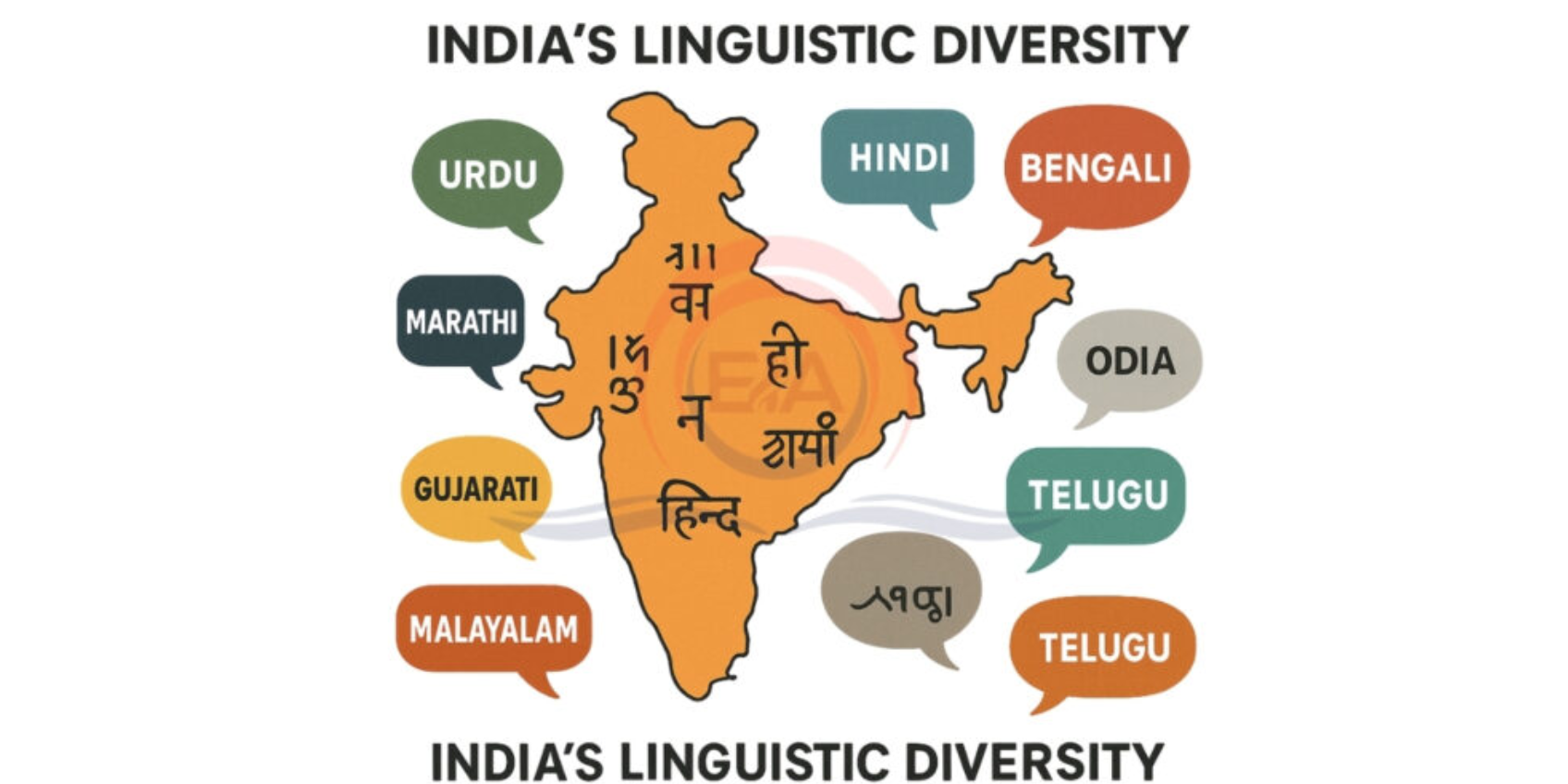
India’s linguistic diversity cannot be ignored. Brands that communicate only in English miss a large portion of the market.
Why Vernacular Branding Matters
- Stronger emotional connection
- Higher engagement rates
- Better penetration in Tier 2 and Tier 3 cities
- Improved trust among regional audiences
Incorporating local languages into your strategy strengthens brand positioning in India at scale.
7. Align PR and Brand Positioning India Strategies

Public Relations is a powerful tool for shaping perception. Strategic PR helps Indian companies build credibility and authority beyond paid marketing.
PR Strategies for the New Year
- Founder and leadership profiling
- Media storytelling aligned with brand values
- Industry commentary and expert opinions
- Reputation and crisis preparedness
PR-driven credibility amplifies brand trust and supports long-term positioning.
8. Leverage Influencer and Creator Partnerships Strategically

Influencers are no longer just promotional tools. They are brand storytellers and trust builders.
How Influencers Support Brand Positioning
- Humanise brand messaging
- Build authenticity and relatability
- Influence niche communities
- Increase social proof
Indian companies should focus on long-term collaborations with creators who align with their brand values.
9. Ensure Consistency Across All Brand Touchpoints
Consistency is essential for strong brand positioning. Mixed messaging confuses consumers and weakens brand recall.
Areas Where Consistency Matters
- Visual identity
- Tone of voice
- Customer experience
- Marketing communication
- Brand values
Consistency builds familiarity, and familiarity builds trust.
10. Focus on Customer Experience as a Brand Differentiator
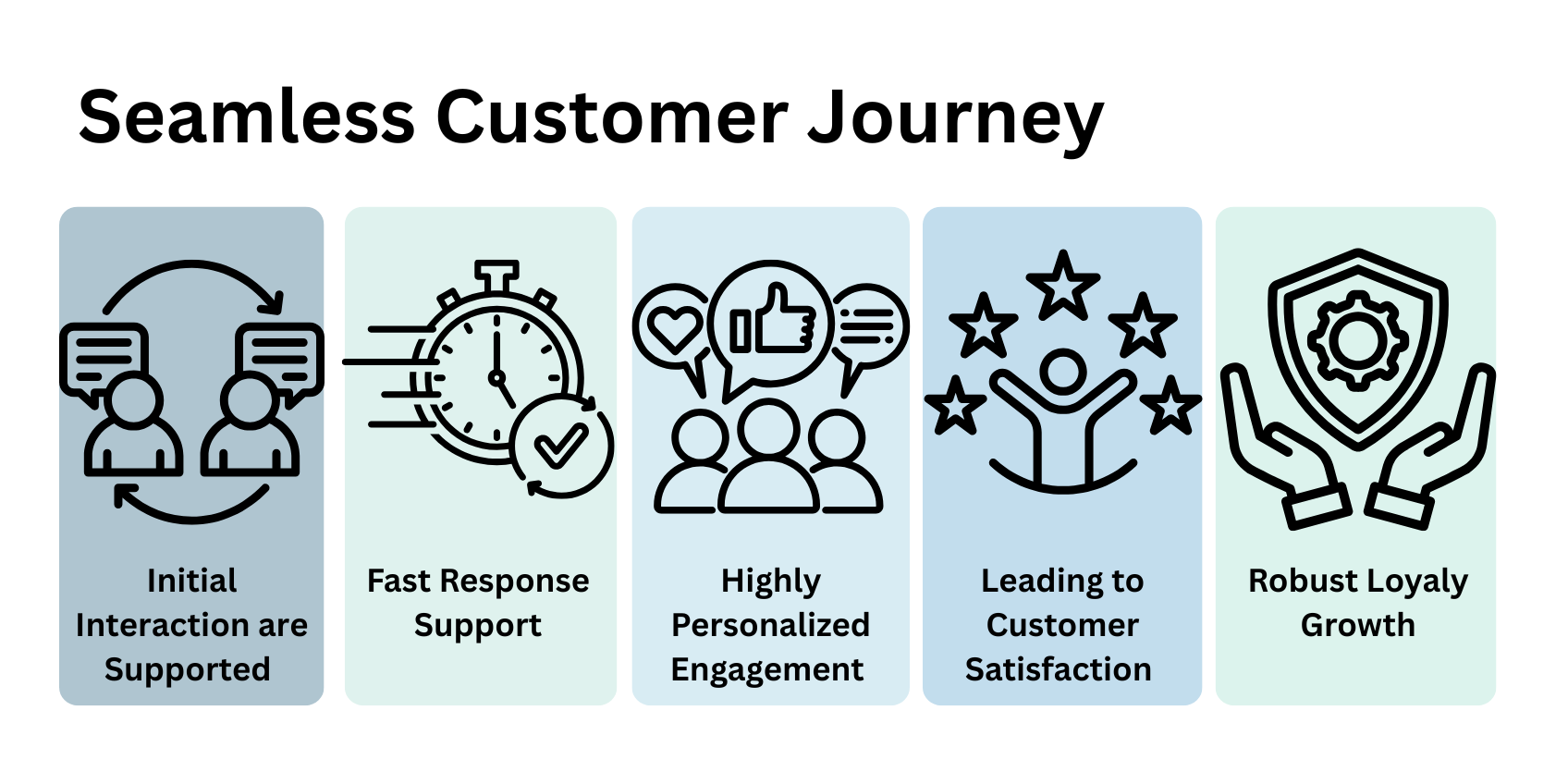
Customer experience is now a major driver of brand perception. Indian consumers value seamless, responsive, and respectful interactions.
Ways to Improve Customer Experience
- Faster response times
- Personalised communication
- Clear post-purchase support
- Transparent policies
Exceptional experiences strengthen brand positioning in India more effectively than advertising alone.
11. Use Data and Insights to Refine Brand Positioning
Data helps brands understand what works and what does not. Indian companies should use analytics to refine messaging and strategy.
Data Sources to Monitor
- Website and SEO performance
- Social media engagement
- Customer feedback and reviews
- Campaign conversion rates
Data-driven decisions ensure your brand positioning remains relevant and effective throughout the year.
12. Align Brand Positioning India with Business Goals

Brand positioning should not exist in isolation. It must align with business objectives such as growth, expansion, or market leadership.
Examples of Strategic Alignment
- Premium positioning for higher margins
- Trust-led positioning for financial services
- Innovation-led positioning for tech brands
When brand and business goals align, growth becomes sustainable.
13. Build Trust Through Transparency and Ethics

Indian consumers increasingly support brands that demonstrate honesty, ethics, and responsibility.
Trust-Building Brand Practices
- Transparent communication
- Ethical marketing claims
- Responsible data usage
- Social and environmental initiatives
Trust is a long-term asset that strengthens brand positioning in India across industries.
14. Prepare for Long-Term Brand Positioning, Not Short-Term Campaigns
Brand positioning is not a one-time exercise. It is an ongoing commitment that guides every decision and communication.
Long-Term Brand Positioning Requires
- Regular audits and updates
- Continuous customer feedback
- Adaptation to market changes
- Internal alignment across teams
Indian companies that think long-term will build brands that last.
Common Brand Positioning Mistakes Indian Companies Must Avoid
As you plan your New Year strategy, avoid these common mistakes:
- Copying competitors instead of differentiating
- Inconsistent messaging across platforms
- Ignoring regional audiences
- Overpromising and underdelivering
- Treating branding as only a design exercise
Avoiding these pitfalls protects brand credibility and trust.
How Indian Companies Can Execute New Year Brand Positioning Successfully

To implement effective New Year brand positioning strategies:
- Conduct a brand audit
- Redefine purpose and value proposition
- Align digital, PR, and marketing efforts
- Train internal teams on brand messaging
- Monitor performance continuously
Execution is as important as strategy.
Conclusion
Building Strong Brand Positioning India Needs in the New Year
The New Year offers Indian companies a powerful opportunity to redefine how they are perceived in the market. Strong brand positioning in India is not about being louder than competitors but about being clearer, more relevant, and more trustworthy. By aligning purpose, digital presence, content, PR, and customer experience, Indian brands can create a positioning strategy that supports long-term growth and resilience. The brands that invest in clarity and consistency today will lead the Indian market tomorrow.