

The calendar year does not move at the same pace for brands as it does for consumers. While January feels like a fresh start and December is dominated by year-end reflections, March occupies a unique and strategic position in the business and communication cycle. It is the moment when plans move from intent to execution, when market signals become clearer, and when brands can still course-correct before the year’s major commercial waves begin.
For modern brands operating in a hyper-digital, hyper-competitive, and hyper-scrutinised environment, a communication strategy cannot be static. It must evolve with consumer sentiment, media trends, economic shifts, and digital platform behaviour. This is precisely why March is the best time for brands to rethink their communication strategy.
A well-timed March communication strategy allows brands to assess what worked, what failed, and what needs recalibration, without being too late to make meaningful changes. This blog explores why March is a strategic inflexion point for communication planning, how brands should approach their March communication strategy, and what frameworks ensure relevance, resonance, and long-term impact.

The Strategic Significance of March in Brand Communication
March sits at the intersection of reflection and action. By this time, brands have already experienced two critical phases of the year:
- Post-holiday reset (January) – Budgets are finalised, strategies are approved, and goals are set.
- Market reality check (February) – Early campaigns launch, consumer behaviour becomes visible, and initial performance data starts to accumulate.
March is when these insights crystallise into patterns rather than anomalies. It is the first truly informed moment of the year.
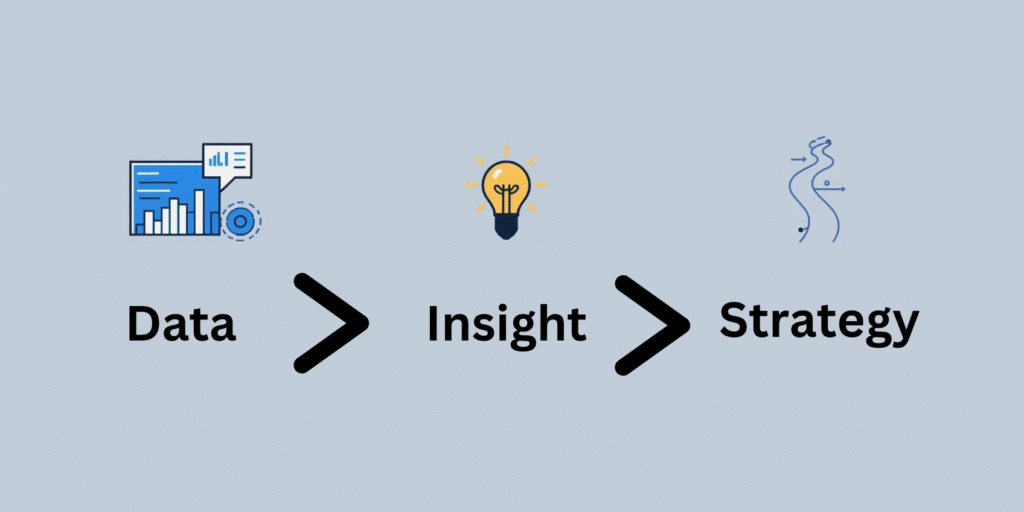
For brands, this makes March the ideal window to refine their communication strategy based on real data rather than assumptions. Unlike January, which is driven by optimism, and April, which often marks the start of aggressive execution, March provides breathing room for strategic recalibration.
Why March Is the Best Time for Brands to Rethink Their Communication Strategy: Data Maturity
One of the strongest reasons March is optimal for rethinking communication is the availability of meaningful performance data.
By March, brands typically have:
- Campaign analytics from January and February
- Social media engagement trends
- Website and conversion performance insights
- Early customer feedback and sentiment signals
- Media coverage patterns and PR effectiveness
This makes strategic planning in March more evidence-based than theoretical.
Rather than guessing what audiences want, brands can analyse:
- Which messages resonated
- Which platforms delivered results
- Where audiences disengaged
- What tone and storytelling worked best
This data-driven approach ensures that the revamped communication strategy is not reactive, but intelligently refined.
Aligning with Financial and Business Cycles: The Strategic Advantage

In many organisations, March is closely tied to financial planning and fiscal timelines, especially in markets like India, where the financial year ends in March.
This makes March a natural moment for brands to align communication with:
- New budget allocations
- Revised business priorities
- Updated product or service offerings
- Fresh leadership or organisational goals
A well-structured end-of-year roadmap ensures that brand messaging reflects these internal shifts, preventing misalignment between what the brand says and what it does.
When communication aligns with business reality, trust and credibility increase, which are two critical pillars of modern brand success.
Consumer Behaviour Shift and the Need for a Fresh Approach
Consumer behaviour evolves rapidly in the first quarter of the year. Post-holiday spending slows down, attention shifts toward practicality, and brand scrutiny increases.
By March, consumers are no longer in celebratory mode; they are in decision-making mode. They evaluate brands based on:
- Authenticity
- Value
- Consistency
- Social responsibility
- Trustworthiness
This makes March the ideal time for brands to rethink their communication strategy to ensure it resonates with a more discerning audience.
Brands that continue with overly promotional or sales-driven messaging in March risk appearing tone-deaf. Instead, those that pivot toward purpose, clarity, and value-led communication build stronger connections.
Why March Is the Best Time for Brands to Rethink Their Communication Strategy: Media Landscape Reset
The media ecosystem also undergoes a subtle reset in March. After year-end retrospectives in December and trend forecasting in January, journalists and publications shift toward deeper analysis, thought leadership, and industry storytelling.
This creates a prime opportunity for brands to reposition their narratives through a refined content plan that includes:
- Thought leadership articles
- Founder and leadership perspectives
- Industry insights and reports
- Value-driven PR storytelling
Rather than competing in a crowded news cycle, brands can leverage March to shape meaningful conversations that position them as credible voices in their industry.
Digital Algorithm Dynamics and the Seasonal Opportunity
Digital platforms like Google, LinkedIn, Instagram, YouTube, and others undergo content pattern shifts throughout the year.
In January, platforms are saturated with “New Year, New You” messaging. By March, algorithms begin rewarding:
- Consistent engagement
- High-quality, value-driven content
- Authentic storytelling
- Meaningful audience interaction
A refined approach for this month allows brands to align their content with these algorithmic preferences, improving organic visibility, engagement, and long-term discoverability.
This is why many successful brands use March as a content recalibration month rather than an aggressive sales push.
The Psychological Reset of March and Its Impact on Communication Strategy
Psychologically, March represents momentum. The excitement of the New Year has settled, and people are actively working toward their goals.
This makes audiences more receptive to:
- Practical insights
- Educational content
- Thoughtful storytelling
- Brand transparency
A well-designed March communication strategy taps into this mindset by focusing on clarity, problem-solving, and long-term value rather than short-term hype.
Brands that align with this psychological shift are perceived as more credible, mature, and dependable.
Why March Is the Best Time for Brands to Rethink Their Communication Strategy: Competitive Advantage
Many brands wait until mid-year or the end of the year to revisit their communication strategies. By doing so, they miss a critical opportunity.
March offers a competitive edge because:
- It is early enough to make changes
- It is late enough to have meaningful data
- It precedes major commercial seasons
- It allows brands to lead rather than follow trends
A proactive March communication strategy ensures that brands are not merely reacting to the market but shaping their narrative ahead of competitors.
Key Elements of a Strong Fiscal Year Plan
To effectively rethink communication in March, brands should focus on the following pillars:
1. Message Clarity and Consistency
Brands must evaluate whether their core messaging is:
- Clear
- Consistent
- Aligned with business goals
- Relevant to audience needs
A refined March communication strategy prioritises simplicity over complexity.
2. Audience Reassessment
Consumer priorities change rapidly. Brands should reassess:
- Who their primary audience is
- What problems are you trying to solve
- How preferences have evolved
This ensures that the March communication strategy remains audience-first.
3. Content Realignment
Content should shift from:
- Promotional → Educational
- Generic → Personalised
- Quantity → Quality
This improves engagement and credibility.
4. Platform Optimisation
Brands must identify which platforms are delivering the most value and adjust their March communication strategy accordingly.
This includes:
- Prioritising high-performing channels
- Reducing focus on low-impact platforms
- Experimenting with emerging formats
5. PR and Reputation Strategy
March is an excellent time to:
- Strengthen thought leadership
- Improve media relationships
- Enhance brand credibility through earned coverage
A strong March communication strategy integrates PR seamlessly with digital marketing efforts.
Why March Is the Best Time for Brands to Rethink Their Communication Strategy: Integration of PR and Digital
One of the biggest shifts in modern communication is the blurring of lines between PR and digital marketing.
A revised March communication strategy should:
- Align PR narratives with digital content
- Use earned media to boost SEO
- Leverage social media for storytelling
- Ensure consistent messaging across channels
This integrated approach amplifies impact and builds trust.
Common Mistakes Brands Make by Ignoring March Communication Strategy
Brands that fail to revisit their communication strategy in March often face:
- Misaligned messaging
- Declining engagement
- Wasted marketing budgets
- Reduced audience trust
- Missed growth opportunities
Ignoring March as a strategic moment can leave brands stuck with outdated narratives for the rest of the year.
How Brands Can Execute a Successful Transition Plan
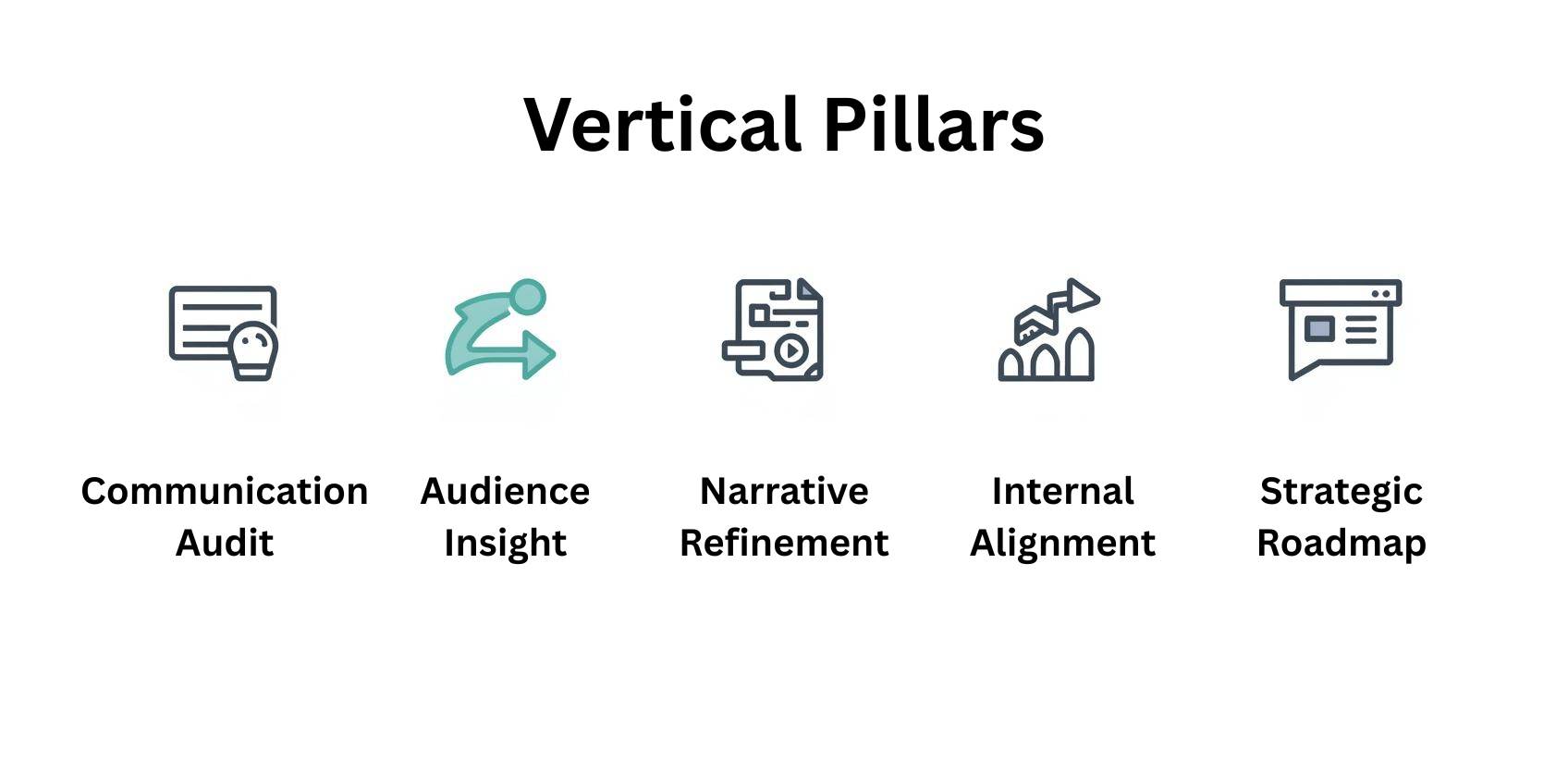
To make the most of March, brands should:
- Conduct a communication audit
- Analyse performance data
- Redefine messaging pillars
- Align internal stakeholders
- Test new content formats
- Strengthen PR and digital integration
- Monitor audience feedback continuously
Execution matters as much as strategy.
Why March Is the Best Time for Brands to Rethink Their Communication Strategy: Long-Term Impact
A well-executed March communication strategy does more than improve short-term performance; it sets the foundation for:
- Stronger brand identity
- Better audience relationships
- Improved marketing efficiency
- Enhanced reputation
- Sustainable growth
March is not just a month; it is a strategic reset point.
The Future of March Communication Strategy in Brand Building
As digital landscapes become more complex and consumer expectations rise, the importance of March as a strategic recalibration moment will only increase.
In the future, brands will treat March not as a minor adjustment phase but as a core planning milestone for communication excellence.
Conclusion
Why March Is the Best Time for Brands to Rethink Their Communication Strategy
March represents balance; between reflection and action, data and intuition, planning and execution.
It is early enough to change course, yet informed enough to make smart decisions.
A well-crafted March communication strategy empowers brands to:
- Align with audience expectations
- Strengthen credibility and trust
- Improve marketing efficiency
- Stay ahead of competitors
- Build long-term relevance
For brands that want to communicate effectively, authentically, and strategically, March is not just another month; it is the most powerful moment to rethink, refine, and reposition their communication strategy for success.