
In today’s rapidly evolving digital landscape, brands are no longer judged only by the quality of their products or services. Consumers increasingly evaluate companies based on their values, social awareness, and the way they represent people in their communication. This is why the idea that representation matters in brand communication has become a defining principle of modern marketing and public relations.
At the centre of this transformation is authentic messaging, a strategic approach that ensures brand messaging reflects the diversity of the world we live in. From advertising campaigns and social media content to public relations narratives and corporate messaging, this approach allows brands to connect with audiences in more authentic and meaningful ways.
Brands that prioritise equitable representation are not only perceived as socially responsible but also gain a competitive advantage in building trust, loyalty, and long-term brand equity. In this blog, we explore why representation matters, how these strategies build powerful brands, and how businesses can implement diverse engagement strategies effectively.
Understanding Inclusive Communication in Modern Branding
To understand why representation matters, it is important to first define the term. It refers to the practice of creating messaging that respects and represents diverse communities, identities, cultures, and experiences.
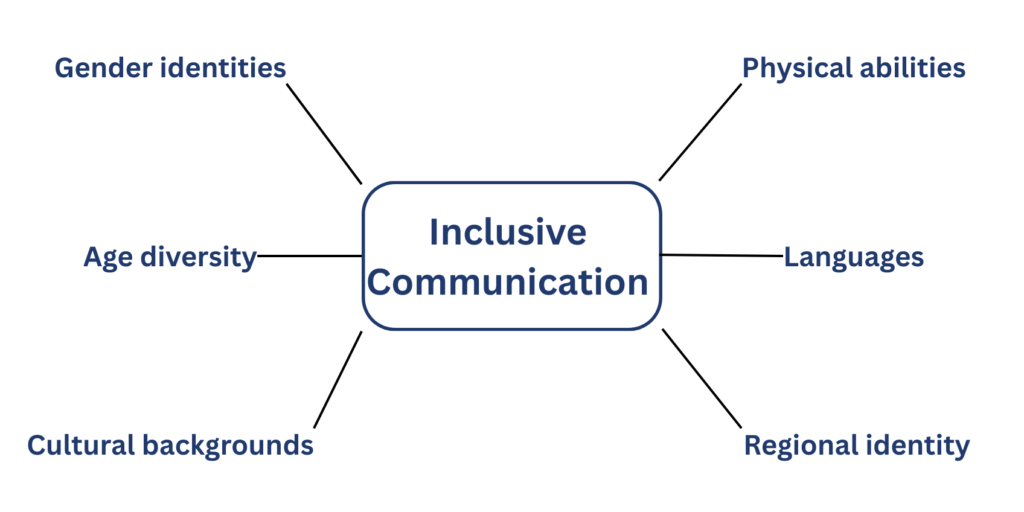
In brand communication, inclusive messaging ensures that different groups of people see themselves reflected in a company’s content. This can include representation across:
- Gender identities
- Ethnic and cultural backgrounds
- Age groups
- Physical abilities and accessibility needs
- Languages and regional identities
- Socioeconomic experiences
When brands embrace inclusive communication, they demonstrate awareness of the diverse audiences they serve. This approach ensures that marketing campaigns and PR initiatives feel relatable and relevant rather than exclusive or outdated.
In the modern marketplace, where audiences are increasingly conscious of social issues, representation matters more than ever in brand communication.
Why Representation Matters in Brand Communication
The concept that representation matters has gained significant importance in recent years. Consumers want brands to reflect the real world: its diversity, its challenges, and its communities.
When people see themselves represented in a brand’s communication, they are more likely to connect emotionally with that brand.
Representation Builds Emotional Connection
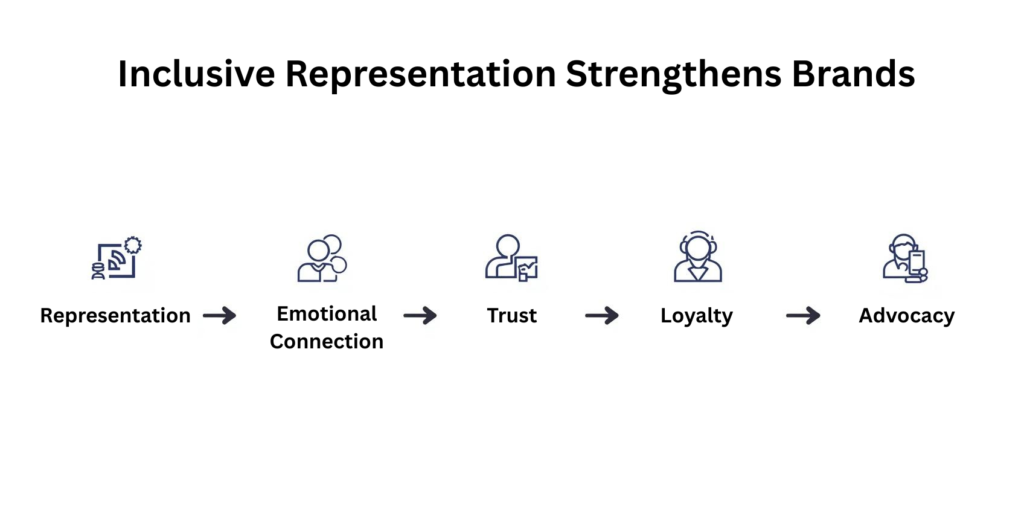
One of the primary reasons inclusive communication works is that it creates emotional resonance. When audiences feel that a brand understands their experiences or perspectives, they are more inclined to trust that brand.
Brands that practice inclusive communication create a sense of belonging. Instead of speaking to a limited demographic, they acknowledge the broader spectrum of human experiences.
This emotional connection leads to stronger brand relationships and deeper engagement.
Representation Strengthens Brand Trust
Trust is a critical factor in modern marketing. Consumers today are highly aware of brand authenticity and can quickly detect messaging that feels insincere or performative.
Inclusive communication demonstrates that a brand respects and values diverse communities. By reflecting multiple perspectives and voices, brands signal transparency, empathy, and cultural awareness.
When audiences perceive a brand as inclusive and socially conscious, trust grows naturally. Over time, this trust translates into loyalty and advocacy.
Representation Expands Market Reach
While the idea of inclusive communication is often associated with ethics and social responsibility, it also has clear business benefits. Brands that reflect diverse communities in their messaging can reach wider audiences.
When marketing campaigns feature only a narrow representation of society, they risk alienating potential customers. Inclusive communication allows brands to connect with broader demographics, ensuring that different communities feel acknowledged.
By embracing diversity in communication, companies open doors to new markets and strengthen relationships with existing customers.
How Inclusive Communication Builds Powerful Brands

The impact of inclusive communication goes beyond improving brand perception. It also contributes directly to building powerful, resilient brands.
Strategic Diversity Enhances Brand Relevance
In a world where social conversations evolve rapidly, brands must stay aligned with cultural shifts. Inclusive communication helps brands remain relevant by reflecting contemporary social values.
Brands that ignore representation risk appearing disconnected from modern audiences. On the other hand, brands that incorporate inclusive communication demonstrate awareness of societal progress and evolving consumer expectations.
This relevance strengthens a brand’s position in competitive markets.
Inclusive Communication Strengthens Brand Storytelling
Storytelling is one of the most powerful tools in marketing and PR. Inclusive communication enriches storytelling by introducing diverse perspectives and experiences.
Instead of presenting a single narrative, brands can tell stories that highlight different voices, communities, and realities. This approach creates more authentic and compelling narratives.
Inclusive storytelling also allows brands to celebrate achievements, address challenges, and showcase the impact they have on society.
Inclusive Communication Improves Brand Reputation
Brand reputation is influenced by how companies interact with society. Socially conscious messaging demonstrates that a brand is aware of its social responsibilities and committed to positive representation.
When brands consistently embrace inclusive messaging, they build a reputation for integrity and inclusivity.
This reputation can protect brands during crises and strengthen relationships with stakeholders, including customers, employees, and partners.
Real-World Examples of Inclusive Communication
Many successful brands have demonstrated the power of diverse narratives through their campaigns and brand narratives.
Nike and the Power of Representation
Nike has long championed diversity and inclusion through its storytelling. By highlighting athletes from diverse cultural backgrounds and showcasing stories of perseverance and equality, Nike reinforces the idea that sports belong to everyone.
These campaigns have strengthened Nike’s reputation as a brand that celebrates diversity and empowers communities.
Fenty Beauty and Inclusive Product Representation
Fenty Beauty disrupted the beauty industry by launching products designed for a wide range of skin tones. The brand’s inclusive approach to product development and communication set a new standard for representation.
By recognising that beauty exists in many forms and shades, Fenty Beauty created a powerful brand narrative centred on inclusivity.
Microsoft and Accessibility in Communication
Microsoft has consistently emphasised accessibility in its messaging. Campaigns highlighting how technology empowers people with disabilities demonstrate the company’s commitment to inclusive innovation.
By showcasing real stories of individuals benefiting from accessible technology, Microsoft strengthens its brand credibility and social impact.
Inclusive Communication and Cultural Intelligence
Inclusive communication requires cultural intelligence, the ability to understand and respect diverse cultural contexts.
Brands must approach representation thoughtfully. It is not enough to simply include diverse visuals or messages; communication must be culturally accurate and respectful.
Cultural intelligence involves:
- Understanding local customs and traditions
- Avoiding stereotypes or oversimplifications
- Collaborating with diverse voices and communities
Brands that demonstrate cultural awareness build deeper connections with global audiences.
The Role of Leadership in Inclusive Communication
Authentic representation begins within an organisation. Leadership teams play a vital role in shaping how diversity and representation are reflected in brand messaging.
Companies with diverse teams are often better equipped to create authentic, diverse messaging strategies. Internal diversity ensures that multiple perspectives inform brand narratives.
When leaders actively support inclusive values, brand messaging becomes more genuine and consistent.
Challenges in Implementing Inclusive Communication
Despite its benefits, implementing these practices can present challenges.
Avoiding Tokenism
Token representation, featuring diversity only for appearance, can damage brand credibility. Audiences quickly recognise when representation is superficial.
Authentic, equitable outreach requires deeper commitment and understanding.
Ensuring Authentic Voices
Brands should collaborate with individuals and communities they represent. This ensures that messaging reflects genuine experiences rather than assumptions.
Maintaining Consistency
Inclusive communication should not appear only during specific campaigns or awareness days. It must be integrated into everyday brand messaging.
How Brands Can Implement Inclusive Communication
Brands looking to strengthen their inclusive communication strategies can follow several key practices.
Conduct Audience Research
Understanding the demographics and experiences of target audiences helps brands create relevant messaging.
Use Inclusive Language
Language should be respectful, neutral, and accessible to diverse audiences.
Feature Diverse Stories
Highlighting stories from various communities strengthens representation and enriches brand narratives.
Collaborate with Diverse Creators
Working with creators from different backgrounds ensures authenticity in storytelling.
Commit to Long-Term Inclusion
Inclusive communication should be a long-term strategy rather than a temporary initiative.
Inclusive Communication and SEO Benefits
Moreover, this approach supports digital marketing performance by broadening your brand’s reach and accessibility. Search engines prioritise content that demonstrates expertise, authority, and trustworthiness.
Brands that publish inclusive and informative content often experience:
- Higher audience engagement
- Longer website visits
- Increased organic visibility
- Improved brand credibility
Inclusive storytelling encourages audiences to interact with content, share it, and return for more. This strengthens SEO performance and brand visibility over time.
The Future of Inclusive Communication
As global audiences become more connected and socially aware, inclusive communication will continue to gain importance. Brands that embrace representation will be better positioned to navigate cultural shifts and evolving consumer expectations.
Future marketing and PR strategies will likely prioritise:
- Diverse representation across campaigns
- Accessibility in digital experiences
- Community-driven storytelling
- Ethical and responsible messaging
These trends highlight the growing role of inclusive communication in shaping modern brand identity.
Conclusion
Why Representation Matters More Than Ever
The principle that representation matters is now a central pillar of modern branding. This approach allows brands to reflect the diversity of the societies they serve, creating deeper emotional connections with audiences.
By embracing equitable messaging, brands strengthen trust, enhance relevance, and build powerful reputations that extend beyond products and services.
In an era where authenticity, empathy, and cultural awareness define successful communication, this mindset is not just a marketing tactic; it is a long-term brand strategy.
Brands that prioritise representation will not only resonate with today’s audiences but also shape the future of meaningful and responsible brand communication.