

The beginning of a new financial year is more than just a shift in accounting cycles; it marks a strategic reset for businesses. Companies revisit their goals, evaluate performance from the previous year, and redefine priorities for growth. For marketing and communications teams, the new financial year is especially significant because it determines how brand budgets are allocated and how communication strategies evolve.
In today’s rapidly changing digital landscape, brand budgets and communication strategies are no longer just about spending more; they are about spending smarter. Businesses must align their budgets with consumer behaviour, technological advancements, and competitive positioning.
Understanding what the new financial year means for brand budgets and communication helps organisations plan effective campaigns, optimise marketing investments, and build stronger connections with audiences.
Why the New Financial Year Matters for Brand Budgets and Communication
Every financial year brings new economic conditions, market opportunities, and consumer expectations. These factors directly influence brand budgets and communication planning.
Companies typically reassess several aspects at the start of the financial year, including:
- Marketing investment allocation
- Digital transformation priorities
- Brand positioning strategies
- Customer engagement initiatives
- Media and advertising spend
As organisations evaluate the effectiveness of their previous strategies, they begin reallocating resources to areas that promise the highest return on investment.
For communication leaders, the new financial year offers an opportunity to rethink brand budgets and communication strategies in ways that are more data-driven, agile, and aligned with long-term growth.
The Shift Toward Strategic Brand Budgets and Communication
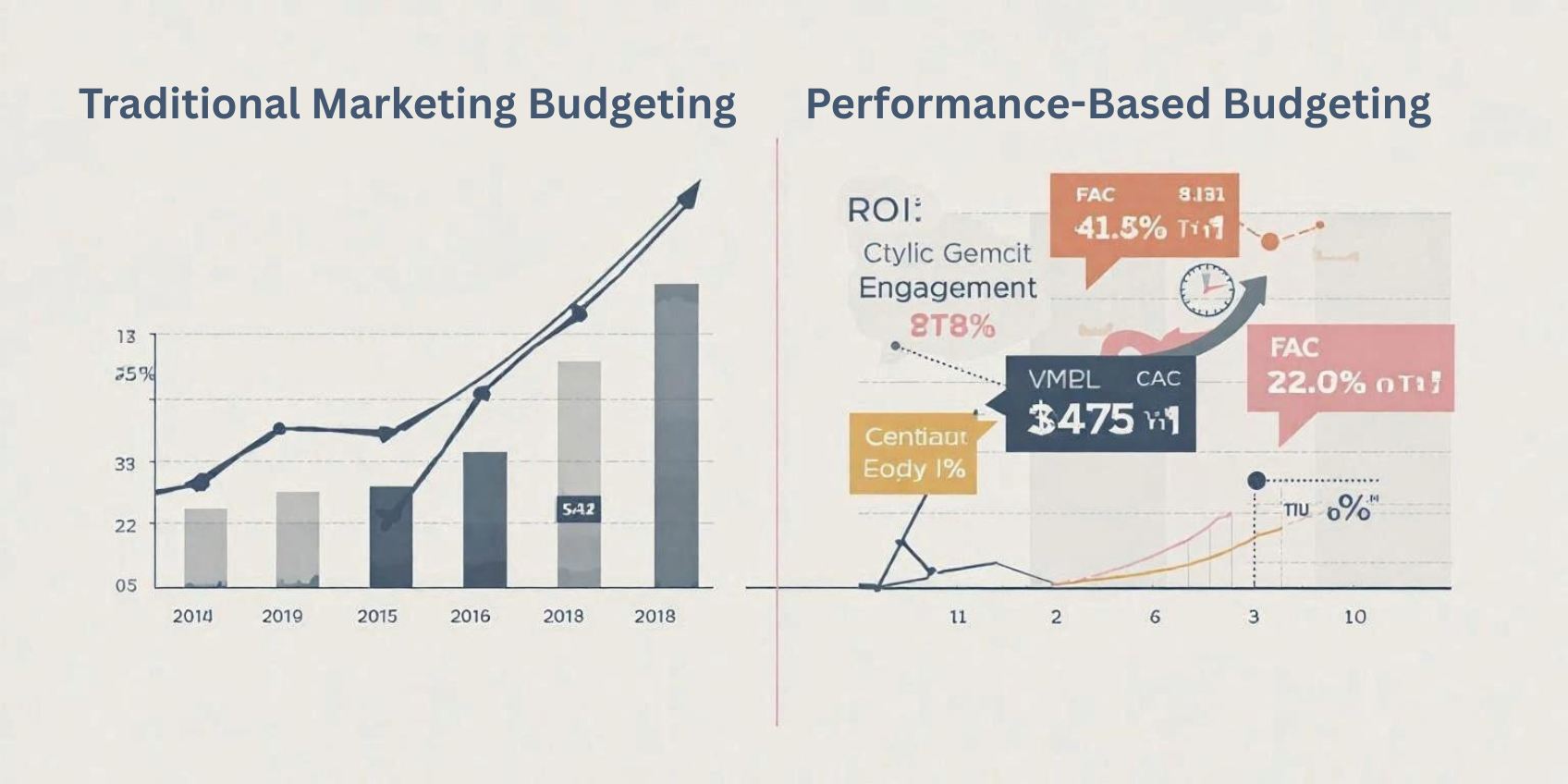
In earlier years, marketing budgets were often allocated based on historical spending patterns. However, modern businesses are increasingly adopting performance-based budgeting.
This means that brand budgets and communication investments are tied to measurable outcomes such as:
- Customer acquisition cost
- Engagement rates
- Brand awareness growth
- Market share expansion
With better analytics and marketing technology, companies can track the impact of each communication channel more precisely. As a result, the new financial year often brings restructured budgets that prioritise effectiveness over tradition.
Digital Transformation in Brand Budgets and Communication
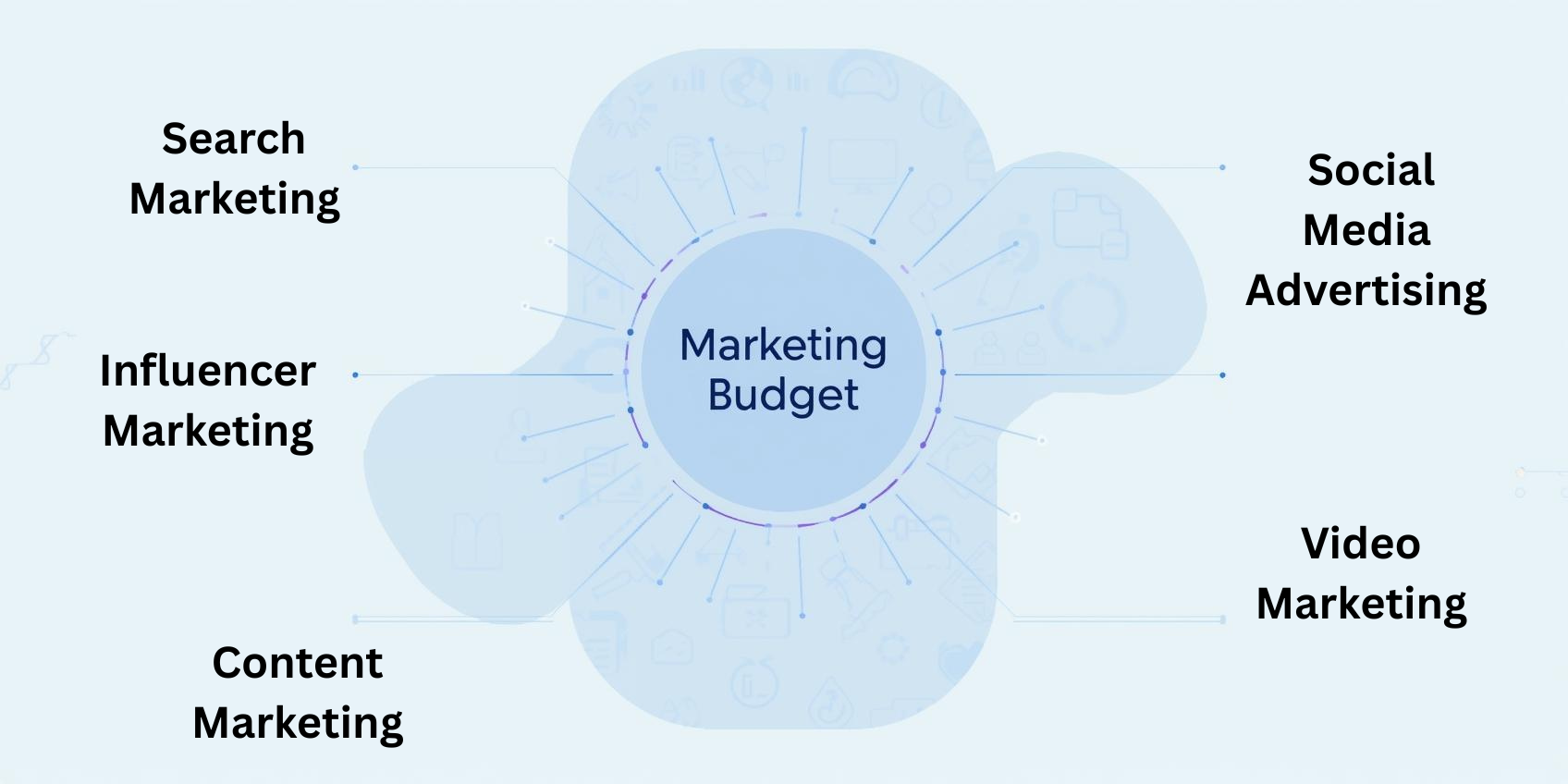
One of the most noticeable trends in recent financial years is the increasing share of budgets allocated to digital channels. The new financial year reinforces this shift.
Increased Investment in Digital Marketing
Businesses are allocating larger portions of brand budgets and communication resources to digital marketing platforms such as:
- Search engine marketing
- Social media advertising
- Content marketing
- Influencer collaborations
- Video marketing
Digital channels offer measurable performance metrics, allowing brands to optimise campaigns quickly and improve returns on marketing investments.
Data-Driven Communication Strategies
The availability of real-time data has transformed how brands communicate with their audiences. Companies are investing in tools that analyse consumer behaviour, enabling more personalised communication.
As a result, brand budgets and communication planning now include investments in analytics platforms, customer relationship management systems, and AI-powered marketing technologies.
How the New Financial Year Shapes Brand Communication Strategy
Beyond budget allocation, the new financial year also influences how brands communicate with their audiences.
Aligning Communication With Business Goals
At the start of the financial year, businesses typically define new revenue targets and growth strategies. Communication teams must ensure that messaging aligns with these goals.
For example, if a company plans to enter new markets, brand communication strategies must focus on building awareness in those regions.
Repositioning Brand Narratives
The new financial year often brings changes in brand positioning. Companies may choose to highlight different aspects of their identity, such as innovation, sustainability, or customer experience.
These shifts influence brand budgets and communication investments, particularly in areas such as storytelling, public relations, and content creation.
Public Relations and the New Financial Year
Public relations plays a critical role in shaping brand perception. As companies plan their brand budgets and communication strategies, PR activities often receive renewed focus.
Thought Leadership Initiatives
The new financial year presents an opportunity for organisations to position their leaders as industry experts. This includes publishing opinion articles, participating in conferences, and sharing insights on emerging trends.
Thought leadership strengthens credibility and enhances brand visibility in competitive markets.
Media Engagement and Reputation Management
PR budgets often include allocations for proactive media engagement and reputation management. By maintaining strong relationships with journalists and media outlets, brands can ensure consistent coverage throughout the year.
Effective media strategies support brand budgets and communication goals by amplifying messaging and reinforcing credibility.
Content Marketing as a Core Communication Investment
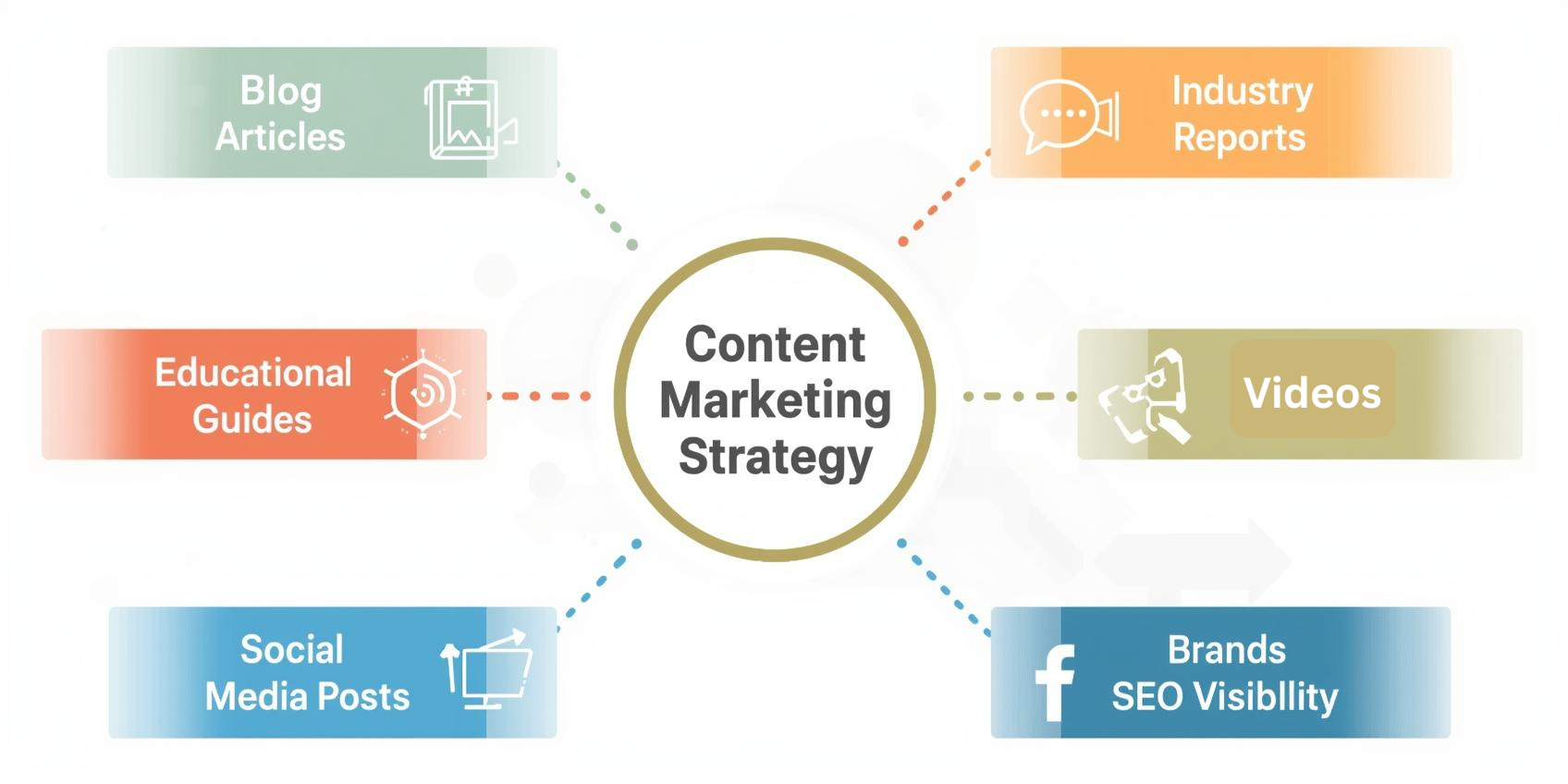
Content marketing has become a central element of modern brand budgets and communication strategies. Instead of relying solely on advertisements, companies are investing in valuable content that educates and engages audiences.
Long-Form Content and SEO
Search engine optimisation (SEO) continues to be a critical component of content marketing. Businesses allocate budgets to create:
- Blog articles
- Industry reports
- Educational guides
- Case studies
These assets help improve search visibility and attract organic traffic.
Video and Interactive Content
Video content has gained significant importance in recent years. Platforms like YouTube, Instagram, and LinkedIn have made video one of the most effective communication formats.
Consequently, many organisations are allocating larger portions of their brand budgets and communication spending to video production and interactive storytelling.
Personalisation and Customer-Centric Communication
Another key trend shaping brand budgets and communication in the new financial year is the emphasis on personalisation.
Consumers expect brands to understand their needs and deliver relevant experiences. Companies are investing in technologies that allow them to:
- Segment audiences more effectively
- Deliver personalised email campaigns
- Customise advertising messages
- Create tailored digital experiences
These personalised approaches increase engagement and improve customer loyalty.
The Role of Technology in Brand Budgets and Communication
Technology continues to transform how brands plan and execute communication strategies.
Artificial Intelligence and Automation
AI tools help marketers analyse data, predict trends, and automate repetitive tasks. This allows communication teams to focus on creative strategy rather than manual processes.
Marketing Automation Platforms
Automation tools enable brands to manage campaigns across multiple channels simultaneously. These platforms help optimise brand budgets and communication efficiency, ensuring that marketing efforts deliver measurable results.
Challenges in Managing Brand Budgets and Communication
While the new financial year offers opportunities, it also presents challenges.
Balancing Short-Term Results With Long-Term Brand Building
Many organisations face pressure to deliver immediate results. However, communication strategies must also focus on building long-term brand equity.
Managing Budget Constraints
Economic uncertainty can sometimes lead to reduced marketing budgets. In such cases, communication teams must prioritise high-impact channels and optimise spending carefully.
Navigating Rapidly Changing Media Landscapes
The media environment evolves quickly, with new platforms and trends emerging regularly. Brands must remain flexible and adapt their communication strategies accordingly.
How Brands Can Optimise Brand Budgets and Communication
To maximise the impact of their marketing investments, organisations should consider several key principles.
Focus on Strategic Planning
Successful brand budgets and communication strategies begin with clear objectives. Businesses must define their target audiences, messaging priorities, and performance metrics.
Invest in Data and Insights
Data-driven decision-making ensures that marketing investments are directed toward the most effective channels.
Integrate Communication Channels
Modern brand communication requires an integrated approach that combines PR, digital marketing, advertising, and content strategy.
Measure and Optimise Performance
Regular performance analysis allows organisations to refine their communication strategies and improve results over time.
The Future of Brand Budgets and Communication
As technology, consumer behaviour, and economic conditions continue to evolve, the future of brand budgets and communication will be shaped by several key trends:
- Greater emphasis on digital-first strategies
- Increased use of AI and automation
- Stronger focus on personalised experiences
- Integration of PR, marketing, and content strategies
- Data-driven budget allocation
Brands that adapt to these trends will be better positioned to build meaningful relationships with their audiences.
Conclusion
A Strategic Opportunity for Brands
The start of a new financial year offers businesses a valuable opportunity to reassess their priorities and refine their strategies. By aligning financial resources and messaging with evolving market conditions, companies can create more effective marketing campaigns and stronger brand narratives.
In an environment where competition for attention is intense, strategic communication is essential. Organisations that approach the new financial year with a clear understanding of their audience, data-driven insights, and a flexible budgeting approach will be better equipped to achieve sustainable growth.
Ultimately, the new financial year is not just about adjusting numbers on a balance sheet; it is about redefining how brands communicate, connect, and create value in an ever-changing marketplace.