The Union Budget is often viewed through the lens of taxation, government spending, and economic reform. But beyond balance sheets and fiscal numbers, the Union Budget plays a powerful role in shaping public narratives, media conversations, business confidence, and consumer sentiment. For PR agencies and digital marketing professionals, the Union Budget is not just a financial event; it is a strategic communication trigger.
As India moves deeper into a digital-first, innovation-driven economy, the Union Budget 2026 is expected to significantly influence how brands communicate, how agencies operate, and how marketing strategies are designed. From AI adoption and digital infrastructure to GST rationalisation and eased compliance, the Budget’s ripple effects will be felt across the PR and digital marketing ecosystem.
This blog explores the impact of the Union Budget on PR agencies and digital marketing, outlining what to expect, why it matters, and how agencies and brands can adapt to stay relevant and competitive.
Why the Union Budget Matters for PR Agencies and Digital Marketing
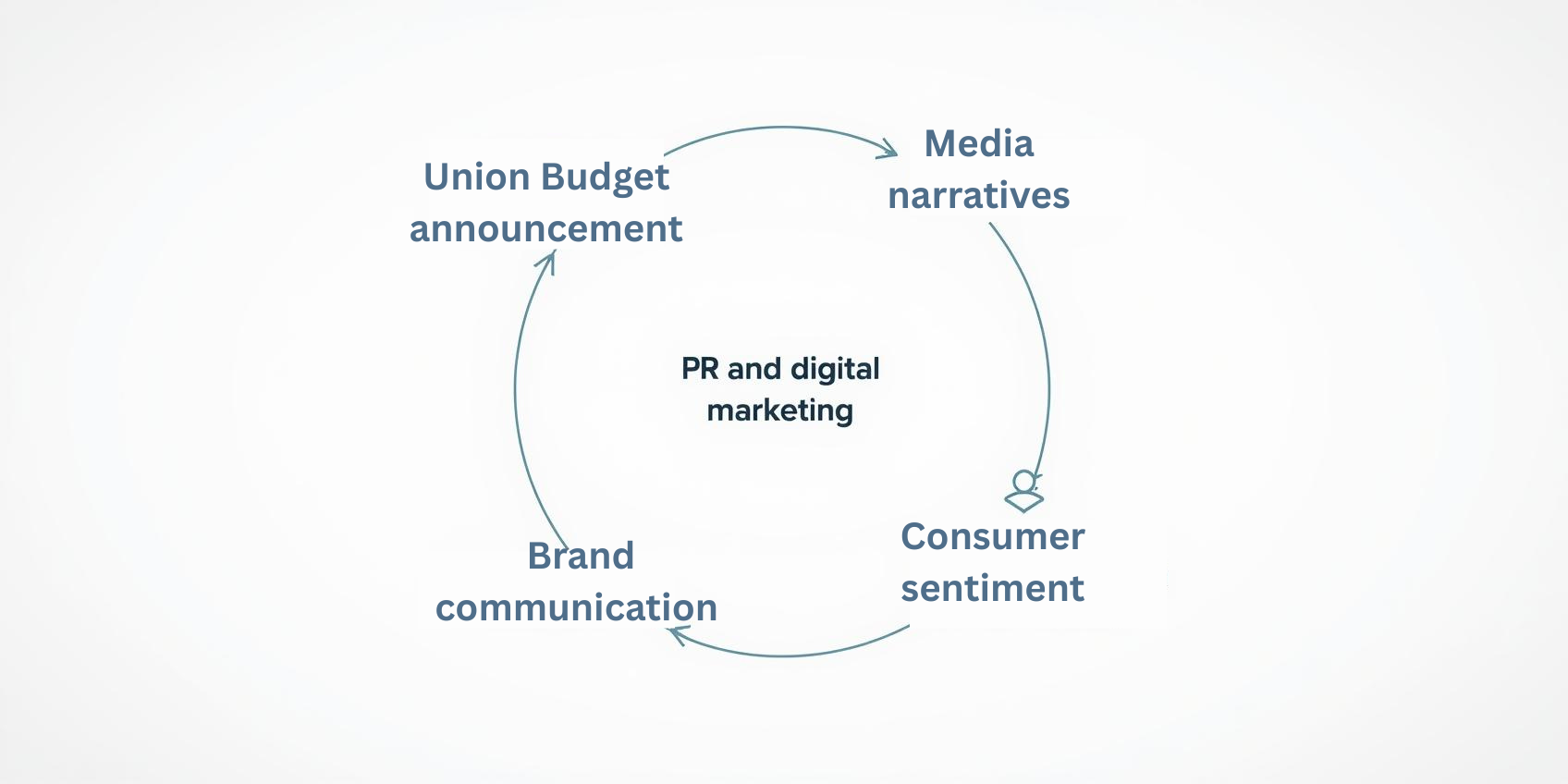
The Union Budget sets the tone for the year’s national priorities. Media houses, journalists, industry leaders, investors, and consumers all look to the Budget to understand where the country is headed.
For PR agencies, this means:
- A shift in media narratives
- New storytelling angles
- Increased demand for expert commentary
- Heightened scrutiny on brand communication
For digital marketing teams, it means:
- Changes in consumer confidence and spending
- New sector-specific opportunities
- Policy-driven content and campaign themes
- Shifts in search behaviour and online engagement
In short, the Union Budget acts as a narrative roadmap, and agencies that interpret it well gain a strategic edge.
Policy Direction Shapes Communication Narratives
Every Union Budget highlights specific focus areas, such as technology, MSMEs, infrastructure, sustainability, or digital inclusion. These focus areas quickly become dominant themes in news coverage and public discourse.
Impact on PR Agencies
PR agencies must align client narratives with these national priorities. Media outlets actively seek:
- Industry reactions
- Founder and CXO opinions
- Expert explainers on policy impact
- Case studies that reflect budget themes
Brands that align their messaging with the Budget’s direction appear more relevant, informed, and future-ready.
Impact on Digital Marketing
Digital marketing teams can capitalise on:
- Budget-related keyword spikes
- Trending industry searches
- Content opportunities around policy explainers
- Social conversations tied to budget announcements
The Budget effectively creates a high-intent content window that marketers can leverage for visibility and engagement.
AI Adoption and Its Impact on PR Agencies and Digital Marketing

AI is expected to be a central pillar of the Union Budget 2026, with increased focus on automation, data intelligence, and digital innovation.
Impact on PR Agencies
PR agencies are moving from reactive storytelling to predictive communication. AI tools enable:
- Real-time media monitoring
- Sentiment analysis across platforms
- Early detection of narrative risks
- Faster response during crises
Agencies that adopt AI-driven insights can guide brand communication more strategically, rather than merely responding after narratives escalate.
However, AI also raises concerns around misinformation, deepfakes, and credibility. This increases the importance of PR as a trust-building function.
Impact on Digital Marketing
In digital marketing, AI improves:
- Audience segmentation
- Campaign optimisation
- Dynamic creatives
- Personalised user journeys
With AI-backed tools, marketers can connect policy announcements to personalised messaging, improving relevance and conversion rates.
The Budget’s push for AI adoption accelerates the need for agencies to build AI-literate teams and ethical communication frameworks.
GST Rationalisation and the Media & Marketing Ecosystem
GST rationalisation for media, advertising, and creative services is one of the most anticipated reforms impacting PR agencies and digital marketing.
Impact on PR Agencies
Historically, complex GST structures increased operational costs and slowed campaign execution. Rationalisation can:
- Reduce tax complexity
- Improve pricing transparency
- Enable flexible retainers for startups and SMEs
- Encourage experimentation with content formats
This lowers entry barriers for brands that previously viewed PR as expensive or optional.
Impact on Digital Marketing
For digital marketing agencies, GST simplification can:
- Reduce media buying costs
- Improve ROI on campaigns
- Enable cross-platform execution
- Simplify accounting and compliance
Overall, GST rationalisation supports scalable, multi-channel marketing, benefiting both agencies and clients.
Eased Compliance for Startups and Digital-First Brands
Union Budget 2026 is expected to continue simplifying regulatory and compliance frameworks for startups and digital-first companies.
Impact on PR Agencies
Eased compliance allows brands to:
- Launch faster
- Expand into new markets
- Experiment with positioning and messaging
- Focus on growth narratives instead of regulatory hurdles
PR agencies can now position founders as:
- Innovators
- Job creators
- Contributors to national growth
This creates a surge in founder-led storytelling, thought leadership, and startup PR campaigns.
Impact on Digital Marketing
Digital marketers benefit from:
- Faster campaign rollouts
- Reduced approval delays
- More agile experimentation
- Increased demand from emerging startups
Simplified compliance fuels innovation, and innovation fuels communication demand.
Infrastructure and Digital Inclusion Drive Regional Growth
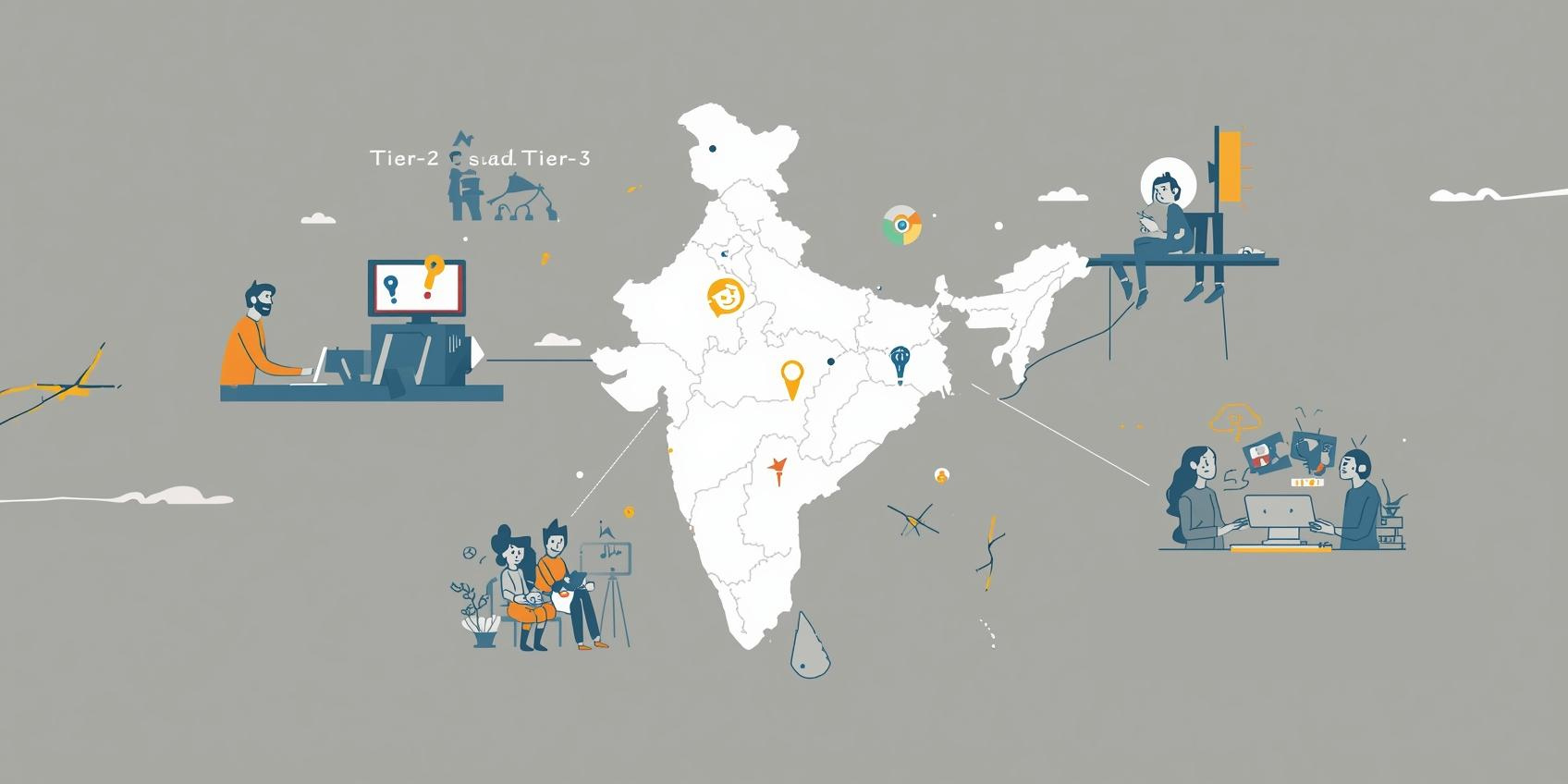
Government investments in digital infrastructure and connectivity expand India’s online audience, especially in Tier-2 and Tier-3 cities.
Impact on PR Agencies
PR agencies must strengthen:
- Regional media relationships
- Vernacular storytelling capabilities
- Local influencer and opinion-leader outreach
National reputation is increasingly shaped through regional narratives, not just metro media.
Impact on Digital Marketing
Digital marketing strategies must evolve to include:
- Regional language content
- Hyperlocal targeting
- Culturally relevant messaging
- Mobile-first experiences
The Union Budget accelerates the shift from urban-centric to pan-India digital communication.
Growing Demand for Thought Leadership and Expert Commentary
The Union Budget creates a spike in demand for interpretation, not just information.
Impact on PR Agencies
Media actively seeks:
- Founder opinions
- Industry expert quotes
- Sector-specific explainers
- Long-form commentary and op-eds
PR agencies must prepare leaders to speak clearly, responsibly, and insightfully, especially during the first 48–72 hours after the Budget.
Impact on Digital Marketing
Thought leadership content can be repurposed into:
- Blogs and articles
- LinkedIn posts
- Webinars and videos
- Email newsletters
This strengthens organic reach, brand authority, and long-term visibility.
Union Budget and the Shift from Reach to Trust
One of the most significant indirect impacts of the Union Budget is the growing emphasis on responsible communication.
Impact on PR Agencies
PR strategies must focus on:
- Transparency
- Accuracy
- Contextual relevance
- Long-term reputation
Brands that misuse budget narratives or appear opportunistic face backlash and credibility loss.
Impact on Digital Marketing
Digital campaigns must prioritise:
- Value-driven messaging
- Educational content
- Authentic storytelling
- Trust-led conversion strategies
In a post-budget environment, trust outperforms reach.
Crisis Preparedness and Reputation Management
Policy changes can trigger confusion, misinformation, or backlash.
Impact on PR Agencies
PR agencies must invest in:
- Scenario planning
- Pre-approved response frameworks
- Leadership media training
- Rapid-response protocols
Crisis readiness becomes a non-negotiable service offering.
Impact on Digital Marketing
Digital marketers must:
- Monitor sentiment closely
- Align messaging with PR teams
- Avoid reactive or insensitive content
- Maintain brand-safe communication
Union Budget discussions are highly emotional and sensitive; missteps can damage reputation quickly.
Collaboration Between PR and Digital Marketing Teams
One of the biggest impacts of the Union Budget is the blurring of lines between PR and digital marketing.
- PR insights shape content strategy
- Digital data informs PR messaging
- SEO benefits from earned media
- Unified narratives strengthen brand positioning
Agencies that integrate PR and digital marketing will deliver stronger, more consistent outcomes.
How PR Agencies and Digital Marketers Should Prepare
To adapt to the Union Budget’s impact, agencies should:
- Track policy announcements closely
- Prepare industry-specific narratives
- Train leadership for media engagement
- Invest in AI and analytics tools
- Strengthen regional communication capabilities
- Align PR and digital marketing workflows
Preparation transforms the Budget from a reactive event into a strategic advantage.
Conclusion:
The Union Budget as a Communication Catalyst
The Union Budget is far more than an economic document. It is a narrative catalyst that influences how brands are perceived, how industries communicate, and how consumers respond.
For PR agencies and digital marketing professionals, the Union Budget 2026 presents:
- New storytelling opportunities
- Increased demand for expertise
- Greater responsibility in communication
- A shift toward trust-led strategies
Agencies that understand and interpret the Budget effectively will not just execute campaigns; they will shape conversations.
In a rapidly evolving media and marketing landscape, the true impact of the Union Budget lies not in numbers but in narratives.